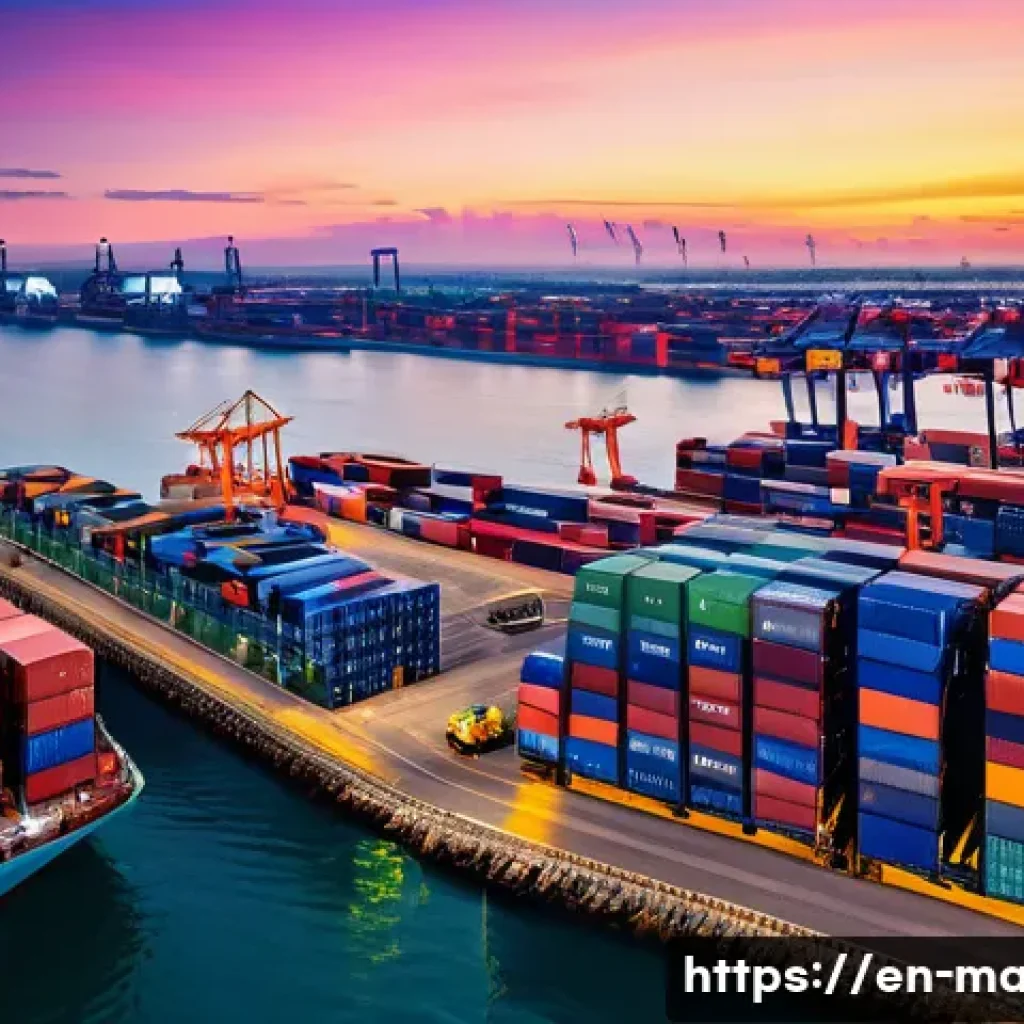
The ocean isn’t just a vast expanse of water; it’s a powerhouse driving global economies. From shipping routes and fisheries to offshore energy and tourism, the sea plays a crucial role in shaping industries and livelihoods worldwide.
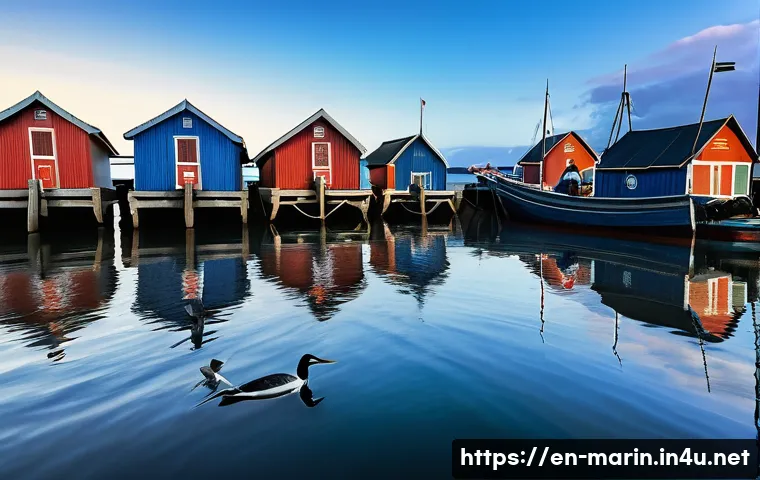
Understanding the basics of marine economics helps us appreciate how coastal communities thrive and how sustainable practices can protect these valuable resources.
As climate change and technological advances reshape maritime activities, grasping these fundamentals becomes even more essential. Ready to dive deeper into the fascinating world of marine economics?
Let’s explore it together in detail!
Maritime Trade and Global Supply Chains
The Backbone of International Commerce
The ocean serves as the primary highway for international trade, carrying over 80% of global merchandise by volume. Shipping routes crisscross the seas, connecting producers and consumers across continents.
Ports and harbors act as critical nodes in this vast network, enabling goods to flow efficiently. From containers packed with electronics to bulk carriers transporting grains, marine logistics underpin everyday commerce.
When I visited a major port, I was struck by the orchestration involved — cranes moving massive containers with precision, trucks and trains waiting to ferry goods inland.
This seamless choreography keeps shelves stocked worldwide and economies humming.
Challenges in Maritime Transport
Despite its importance, maritime shipping faces hurdles such as congestion, piracy, and environmental regulations. Congested ports can cause costly delays, impacting supply chains downstream.
Piracy hotspots, notably in regions like the Gulf of Guinea, still threaten vessel security, prompting costly rerouting or armed escorts. Moreover, tightening emissions standards push shipping companies to adopt cleaner fuels or invest in innovative propulsion technologies.
Navigating these challenges requires strategic planning and investment, but the rewards are substantial given the ocean’s central role in global trade.
Technological Advances Revolutionizing Shipping
Recent years have seen rapid tech adoption in maritime logistics. Autonomous ships, digital tracking, and blockchain for cargo documentation are no longer futuristic ideas but active projects reshaping efficiency and transparency.
I’ve followed a pilot program where unmanned vessels navigated short sea routes, reducing crew costs and human error. Meanwhile, real-time data analytics help port operators optimize traffic flow and reduce waiting times.
Such innovations promise to cut costs and emissions while boosting reliability, crucial for economies dependent on timely deliveries.
Fisheries and Sustainable Seafood Economies
The Economic Importance of Fisheries
Fishing supports millions of livelihoods worldwide, especially in coastal communities where alternative jobs might be scarce. Beyond providing food security, fisheries contribute billions in economic value annually through commercial catch, processing, and export.
Small-scale fishers in developing regions depend on these waters for their income, often passing down their knowledge through generations. Observing local fish markets, I’ve noticed how these economies are tightly woven into cultural identity and community resilience, making sustainable management both an economic and social imperative.
Overfishing and Its Economic Consequences
Unfortunately, overfishing threatens the delicate balance of marine ecosystems and the economies they support. When fish stocks decline, catch volumes drop, pushing prices up and hurting dependent communities.
The ripple effects extend to related sectors like processing and tourism. My conversations with fishermen reveal how declining catches force some to seek alternative, often less sustainable, livelihoods.
This vicious cycle underscores why regulating quotas and enforcing marine protected areas are vital for long-term economic stability and biodiversity preservation.
Innovations in Sustainable Fisheries
Sustainability efforts are gaining ground through certification programs, community-based management, and advanced monitoring technologies. Programs like MSC certification help consumers identify responsibly sourced seafood, incentivizing better fishing practices.
I’ve witnessed coastal cooperatives using GPS trackers and drones to monitor fishing zones, reducing illegal catches. These innovations not only protect fish populations but also enhance market access and prices, proving that sustainability and profitability can go hand in hand.
Offshore Energy: Powering Economies and Facing Risks
The Rise of Offshore Oil and Gas
Offshore oil and gas extraction remains a cornerstone of the global energy supply, fueling industries and transportation. Offshore platforms are engineering marvels, often operating in harsh marine environments.
From my visits to coastal industrial areas, I’ve seen firsthand the scale and complexity involved — massive rigs, pipelines, and support vessels all synchronized for continuous production.
These operations generate significant employment and government revenue but come with environmental and safety risks that require vigilant management.
Emerging Offshore Renewable Energy
Wind, wave, and tidal energy are transforming the offshore energy landscape. Offshore wind farms, in particular, have exploded in capacity, especially in Europe and the U.S.
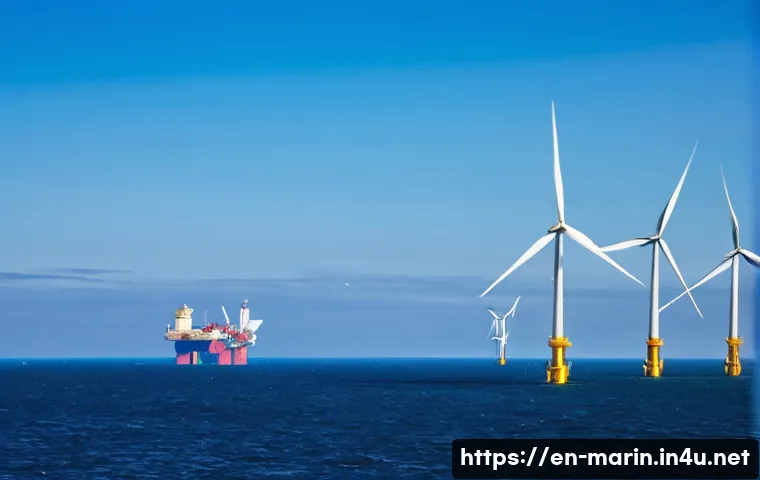
These projects harness strong, consistent sea winds to generate clean electricity, reducing reliance on fossil fuels. I’ve toured an offshore wind farm facility where massive turbines spin silently, a stark contrast to the noisy oil rigs nearby.
The growth of renewables offers promising economic opportunities, including manufacturing, maintenance jobs, and energy security benefits.
Balancing Economic Gains and Environmental Concerns
While offshore energy boosts economic output, it can disrupt marine habitats and local fisheries. Careful environmental assessments and stakeholder engagement are crucial to minimize conflicts.
In regions where I’ve observed offshore projects, companies often collaborate with local communities to address concerns and share benefits. Striking this balance ensures that energy development supports economic growth without compromising the ocean’s health or traditional livelihoods.
Marine Tourism and Coastal Economies
The Allure of Coastal Destinations
Coastal tourism is a vibrant sector, drawing millions of visitors annually to beaches, coral reefs, and maritime heritage sites. This influx fuels local economies through hotels, restaurants, water sports, and cultural attractions.
I’ve experienced how tourism revitalizes small towns, creating jobs and inspiring infrastructure improvements. However, the sector’s success hinges on maintaining the natural beauty and biodiversity that attract travelers in the first place.
Economic Impact and Job Creation
Marine tourism generates substantial direct and indirect employment across hospitality, transportation, and retail. In many island and coastal regions, it is the primary economic driver, supporting artisans, guides, and service workers.
The multiplier effect of tourism spending amplifies its economic significance. For instance, during a recent trip to a Caribbean island, I noted how a single dive operator’s clientele supported boat crews, gear suppliers, and local eateries, showcasing tourism’s broad economic web.
Managing Tourism for Sustainability
Over-tourism and environmental degradation pose risks to coastal economies dependent on marine tourism. Coral reef damage, water pollution, and habitat loss can erode the very assets that attract visitors.
Effective management involves regulating visitor numbers, promoting eco-friendly activities, and investing in conservation. I’ve observed successful community-led initiatives that combine education with sustainable tourism, ensuring long-term benefits without sacrificing natural capital.
Marine Infrastructure and Economic Growth
Ports, Harbors, and Economic Gateways
Marine infrastructure such as ports, docks, and shipyards are pivotal for trade and economic development. Well-equipped ports enhance a country’s competitiveness by reducing turnaround times and costs.
From my visits to major hubs like Rotterdam and Singapore, the scale and sophistication of these facilities are impressive — automated cranes, deep-water berths, and integrated logistics centers all contribute to efficient operations.
Investments in infrastructure stimulate job creation, foreign investment, and regional development.
Innovations in Marine Infrastructure
Technological advances are revolutionizing marine infrastructure, with smart ports integrating IoT sensors, AI-driven traffic management, and green energy solutions.
These upgrades improve operational efficiency and environmental performance. I recall reading about a port that uses predictive analytics to schedule vessel arrivals, drastically cutting congestion and emissions.
Such innovations are critical as maritime trade volumes continue to grow.
Economic Risks and Resilience
Marine infrastructure is vulnerable to climate change impacts like sea-level rise and extreme weather, threatening economic stability. Building resilience through adaptive design, early warning systems, and diversified transport options is essential.
In coastal cities I’ve studied, authorities are increasingly prioritizing infrastructure upgrades to withstand storms and flooding, safeguarding economic assets and livelihoods.
Marine Policy and Economic Regulation
The Role of International Agreements
Global cooperation is fundamental in managing marine resources and economic activities. Treaties like UNCLOS establish legal frameworks for maritime boundaries, resource rights, and environmental protection.
These agreements help prevent conflicts and ensure fair resource sharing. From a policy analyst’s perspective, the complexity of coordinating multiple nations’ interests highlights the importance of diplomacy and science-based negotiations.
National Regulations and Economic Implications
Countries enact policies regulating fishing quotas, shipping standards, and offshore development to balance economic growth with sustainability. Effective enforcement is key to prevent illegal activities that undermine economies and ecosystems.
I’ve talked with regulators who emphasize the challenge of monitoring vast ocean areas but note that advances in satellite surveillance and data analytics are game changers.
Incentives for Sustainable Economic Practices
Governments and international bodies increasingly use economic tools like subsidies, taxes, and market-based instruments to promote sustainable marine use.
For example, carbon pricing on shipping fuels encourages greener alternatives, while grants support sustainable aquaculture. These incentives shape market behavior and investment, steering the ocean economy toward long-term viability.
| Sector | Economic Contribution | Key Challenges | Technological Innovations |
|---|---|---|---|
| Maritime Trade | Over 80% of global goods transported | Port congestion, piracy, emissions regulations | Autonomous ships, blockchain, digital tracking |
| Fisheries | Millions of livelihoods, billions in value | Overfishing, habitat degradation | GPS monitoring, certification programs |
| Offshore Energy | Major energy supplier, employment | Environmental risks, safety concerns | Offshore wind farms, wave energy tech |
| Marine Tourism | Significant local revenue, jobs | Over-tourism, environmental damage | Eco-tourism, sustainable management |
| Marine Infrastructure | Trade facilitation, economic growth | Climate vulnerability, congestion | Smart ports, IoT, AI traffic systems |
글을 마치며
The maritime sector remains an essential pillar of the global economy, interlinking trade, energy, fisheries, tourism, and infrastructure. Its dynamic nature demands constant innovation and sustainable practices to meet evolving challenges. By embracing technology and responsible management, we can secure the ocean’s resources and economic benefits for generations to come.
알아두면 쓸모 있는 정보
1. Over 80% of the world’s goods are transported by sea, making maritime trade crucial for global commerce.
2. Sustainable fisheries not only protect marine ecosystems but also ensure the economic stability of coastal communities.
3. Offshore renewable energy, especially wind farms, is rapidly expanding and reshaping the energy landscape.
4. Marine tourism significantly supports local economies but requires careful management to prevent environmental degradation.
5. Smart ports and advanced marine infrastructure improve trade efficiency while addressing climate-related risks.
중요 사항 정리
Maritime industries are vital for economic growth but face challenges such as environmental risks, regulatory pressures, and security threats. Leveraging technological innovations like autonomous vessels, digital tracking, and renewable energy can enhance efficiency and sustainability. Coordinated policy efforts and community involvement are key to balancing economic gains with ocean health, ensuring resilient and thriving marine economies worldwide.
Frequently Asked Questions (FAQ) 📖
Q: What industries are most impacted by marine economics?
A: Marine economics influences a variety of key industries, including shipping, fisheries, offshore energy, and tourism. Shipping routes enable global trade, making transportation of goods faster and more efficient.
Fisheries provide food and employment to millions worldwide, while offshore energy—such as wind farms and oil drilling—contributes significantly to energy supplies.
Coastal tourism brings in substantial revenue for local economies. Understanding these sectors helps us see how the ocean supports livelihoods and international markets.
Q: How does climate change affect marine economic activities?
A: Climate change poses serious challenges to marine economics by altering ocean temperatures, sea levels, and weather patterns. These changes can disrupt fish populations, impacting fisheries and food security.
Rising sea levels threaten coastal infrastructure vital for ports and tourism. Additionally, extreme weather events can damage offshore energy installations and shipping routes.
Adapting to these shifts requires innovative sustainable practices and policies to safeguard marine resources and maintain economic stability.
Q: Why is sustainability important in marine economics?
A: Sustainability is crucial because the ocean’s resources are finite and vulnerable to overuse and pollution. Without responsible management, fisheries may collapse, biodiversity could decline, and ecosystems may be damaged, undermining the very industries that depend on them.
Embracing sustainable practices ensures long-term productivity, protects coastal communities’ livelihoods, and helps combat climate change. From my experience, businesses that invest in sustainability often see benefits like improved reputation and resilience against environmental risks.