The vast oceans cover more than 70% of our planet, shaping climate, supporting diverse ecosystems, and influencing human life in countless ways. Understanding the basics of oceanography not only unravels the mysteries beneath the waves but also helps us address pressing environmental challenges like climate change and marine conservation.
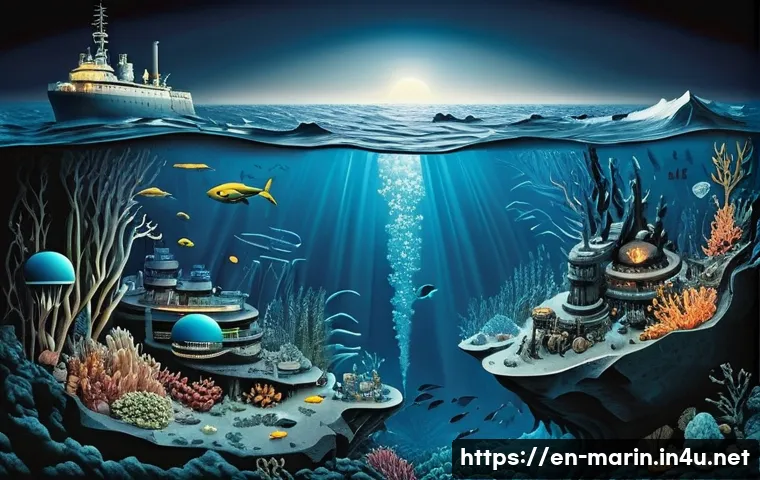
From the movement of currents to the chemistry of seawater, these foundational concepts are essential for anyone curious about the world’s largest and most dynamic ecosystem.
Exploring ocean science opens doors to fascinating discoveries and practical insights that affect our daily lives. Let’s dive deeper and get a clear picture of oceanography in the following discussion!
The Dynamics of Ocean Currents and Their Impact
Understanding Surface Currents and Their Drivers
Surface currents are the ocean’s highways, moving vast amounts of water across the globe and directly influencing weather patterns and marine life distribution.
These currents are primarily driven by wind patterns, which themselves are shaped by the Earth’s rotation and the uneven heating of the planet’s surface.
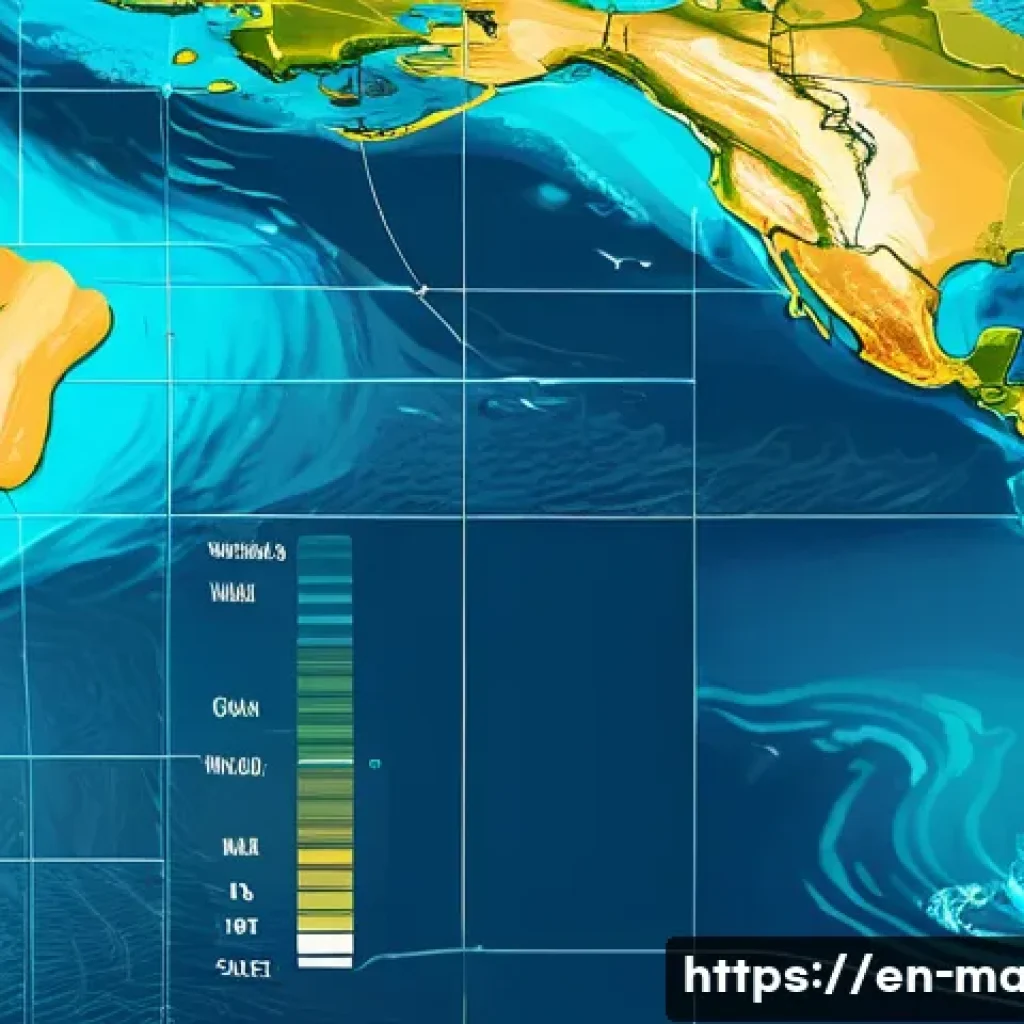
For example, the trade winds push water westward near the equator, creating currents like the Gulf Stream that transports warm water from the tropics toward the North Atlantic.
When I first studied the Gulf Stream, I was amazed at how this single current could regulate climate over entire continents, making winters milder in Western Europe and impacting fisheries along the eastern U.S.
coast.
The Role of Deep Ocean Currents in Global Climate
Unlike surface currents, deep ocean currents move slowly and are primarily driven by differences in water density, which depend on temperature and salinity—a process known as thermohaline circulation.
This “global conveyor belt” is crucial for distributing heat and nutrients around the world’s oceans. When I dove into research on this, I found it fascinating how disruptions to this system, such as melting polar ice affecting salinity, could have ripple effects on global climate systems.
This interconnectedness makes oceanography not just about water movement but about understanding a delicate balance that sustains life on Earth.
How Currents Affect Marine Ecosystems and Human Life
Currents don’t just move water; they transport nutrients, larvae, and heat, shaping ecosystems and human economies. Coastal communities often rely on predictable current patterns for fishing and shipping routes.
In my own experience visiting coastal towns, I noticed how local fishermen talked about seasonal currents dictating fish availability, which is a direct, tangible example of oceanography affecting daily life.
Currents also influence pollution dispersion and the spread of invasive species, highlighting their role in environmental management and conservation efforts.
The Chemistry of Seawater: Beyond Salt
Key Chemical Components and Their Functions
Seawater is a complex solution containing more than just salt. While sodium chloride dominates, elements like magnesium, sulfate, calcium, and potassium also play vital roles.
I remember analyzing seawater samples during a field trip and being struck by how these dissolved ions influence everything from water density to biological processes.
For instance, calcium is essential for marine organisms that build shells and skeletons, while sulfate ions participate in crucial chemical cycles. Understanding these components helps explain why ocean chemistry is a critical factor in marine health.
How Ocean Chemistry Responds to Environmental Changes
One of the most pressing concerns in oceanography today is ocean acidification, caused by increased absorption of atmospheric CO2. This shift in pH affects marine life, especially organisms with calcium carbonate shells.
I recall reading studies where coral reefs suffered bleaching events tied directly to acidification, underscoring how sensitive ocean chemistry is to human-induced changes.
Monitoring these chemical changes provides early warning signs and guides conservation strategies to protect vulnerable ecosystems.
The Role of Nutrients in Supporting Marine Life
Nutrients like nitrogen, phosphorus, and iron are essential for phytoplankton growth, which forms the base of the marine food web. In coastal upwelling zones, nutrient-rich deep waters fuel massive blooms that sustain diverse marine species.
From personal experience snorkeling in such areas, I witnessed vibrant underwater life that depends heavily on these nutrient cycles. However, excessive nutrient runoff from agriculture can cause harmful algal blooms, showing the fine line between nourishment and disruption in ocean chemistry.
Exploring Ocean Layers: From Surface to Abyss
The Epipelagic Zone: Life in the Sunlit Layer
The epipelagic zone extends roughly 200 meters below the surface and is where sunlight penetrates enough to support photosynthesis. This zone teems with life—from microscopic phytoplankton to large predatory fish.
When I went on a research vessel, the excitement of collecting samples from this zone was palpable because it’s essentially the ocean’s “engine room” for life production.
The energy captured here drives the entire marine food web, making it a critical focus of oceanographic studies.
The Twilight and Midnight Zones: Adaptations to Darkness
Below the sunlit layer lies the mesopelagic (twilight) zone and the bathypelagic (midnight) zone, where light fades and pressure intensifies. Organisms here exhibit incredible adaptations like bioluminescence and slow metabolisms to survive in this harsh environment.
I found documentaries on deep-sea exploration particularly eye-opening, revealing bizarre creatures that seem almost alien. Studying these zones offers insight into evolutionary biology and the limits of life on Earth.
The Ocean Floor and Its Geological Wonders
The abyssal plains and trenches represent the deepest parts of the ocean, often exceeding 6,000 meters. These areas are geologically active, with features like hydrothermal vents supporting unique ecosystems.
I remember reading about expeditions to the Mariana Trench that uncovered life forms thriving without sunlight, relying on chemosynthesis. This challenges our understanding of life’s dependence on the sun and opens possibilities for extraterrestrial life research.
Understanding Waves and Tides: The Ocean’s Rhythms
How Wind Generates Ocean Waves
Waves are created when wind transfers energy to the ocean surface, but their size and power depend on wind speed, duration, and the distance over which it blows—called fetch.
When I first tried surfing, I realized how wave dynamics affect safety and enjoyment. Oceanographers study wave behavior to predict coastal erosion, design marine structures, and improve safety for maritime activities.

The Gravitational Dance Behind Tides
Tides result from the gravitational pull of the moon and sun, causing periodic rises and falls in sea level. The complexity of tides varies with coastline shape and ocean basin size, leading to unique tidal patterns worldwide.
Living near the coast, I’ve seen how tides influence fishing schedules and recreational activities. Accurate tide predictions are essential for navigation, coastal management, and disaster preparedness.
Impact of Waves and Tides on Coastal Ecosystems
Both waves and tides shape shorelines, influence sediment transport, and create habitats like tidal pools and estuaries. These areas serve as nurseries for many marine species.
I have enjoyed exploring tide pools firsthand, amazed at the diversity packed into such small spaces. Understanding these natural rhythms helps balance human activity with ecosystem preservation, crucial as coastal populations grow.
The Ocean’s Role in Climate Regulation
Heat Storage and Distribution by the Ocean
The ocean absorbs and stores more than 90% of the Earth’s excess heat from greenhouse gases, acting as a giant thermal reservoir. This moderates global temperatures but also leads to issues like coral bleaching and sea level rise.
From personal observation of warmer coastal waters during summer, I appreciate how ocean heat content directly impacts local climates and weather extremes.
Carbon Sequestration Through Biological and Physical Processes
Oceans play a vital role in capturing carbon dioxide through phytoplankton photosynthesis and physical absorption. This “blue carbon” is essential in mitigating climate change.
I’ve followed projects that map carbon uptake in coastal wetlands and open seas, highlighting the ocean’s potential as a natural carbon sink. Protecting these systems is critical for global climate strategies.
Feedback Loops and Future Climate Scenarios
Changes in ocean temperature and chemistry can create feedback loops that either amplify or mitigate climate change effects. For example, melting polar ice reduces albedo, increasing heat absorption.
Understanding these complex interactions is vital for accurate climate modeling. As I track climate reports, the ocean’s response remains one of the most uncertain yet crucial variables in predicting our planet’s future.
Essential Tools and Technologies in Ocean Exploration
Remote Sensing and Satellite Observations
Satellites provide a bird’s-eye view of the ocean’s surface temperature, color, and height, enabling large-scale monitoring of currents, blooms, and sea level changes.
I remember the first time I used satellite data in a project, realizing how indispensable these tools are for real-time ocean management. This technology bridges gaps between fieldwork and global-scale understanding.
Autonomous Underwater Vehicles and Sensors
AUVs and sensor arrays allow scientists to explore depths unreachable by humans, collecting data on temperature, salinity, and marine life. During an interview with oceanographers, I learned how these instruments operate continuously, providing unprecedented detail.
This tech revolutionizes how we study remote and extreme ocean environments.
Integrating Data for Better Predictions
Combining data from ships, satellites, and autonomous platforms creates comprehensive models of ocean behavior. I’ve seen firsthand how interdisciplinary teams use this integration to improve forecasts for weather, fisheries, and climate impacts.
This holistic approach is key to making oceanography relevant and actionable for policymakers and communities.
Key Oceanographic Concepts at a Glance
| Concept | Description | Importance |
|---|---|---|
| Surface Currents | Wind-driven water movements at the ocean surface | Regulate climate, transport nutrients and marine organisms |
| Thermohaline Circulation | Deep ocean currents driven by temperature and salinity | Distributes heat globally, supports nutrient cycling |
| Ocean Acidification | Decrease in seawater pH due to CO2 absorption | Threatens calcifying organisms and ecosystems |
| Epipelagic Zone | Sunlit upper layer of the ocean | Supports photosynthesis and most marine life |
| Tides | Periodic rise and fall of sea level caused by gravity | Affects coastal ecosystems and human activities |
| Blue Carbon | Carbon stored in marine ecosystems | Crucial for climate change mitigation |
| Remote Sensing | Satellite monitoring of ocean surface conditions | Enables global-scale ocean observation |
Conclusion
Ocean dynamics shape our planet’s climate, ecosystems, and human livelihoods in profound ways. From surface currents to deep thermohaline circulation, the interconnectedness of ocean processes highlights the delicate balance sustaining life on Earth. By understanding these mechanisms and advances in technology, we can better protect and manage our vital marine environments for future generations.
Useful Information to Remember
1. Surface currents, driven by wind and Earth’s rotation, play a key role in regulating climate and distributing marine life.
2. Deep ocean currents, powered by temperature and salinity differences, act as a global conveyor belt, crucial for heat and nutrient cycling.
3. Ocean acidification, caused by rising CO2 levels, threatens marine organisms that rely on calcium carbonate, impacting entire ecosystems.
4. The ocean stores over 90% of excess heat from greenhouse gases, influencing weather patterns and contributing to challenges like coral bleaching.
5. Cutting-edge technologies such as satellites and autonomous underwater vehicles allow continuous, detailed ocean monitoring essential for research and conservation.
Key Takeaways
Understanding ocean currents and chemistry is essential for grasping their influence on climate and marine ecosystems. The ocean’s layered structure supports diverse life forms adapted to varying conditions, while waves and tides shape coastal environments and human activities. Advances in observation technologies are transforming oceanography, enabling better predictions and more effective environmental stewardship. Recognizing these complex interactions empowers us to make informed decisions to safeguard our oceans and the planet’s future.
Frequently Asked Questions (FAQ) 📖
Q: Why is oceanography important for understanding climate change?
A: Oceanography plays a crucial role in understanding climate change because the oceans act as a massive heat reservoir, absorbing over 90% of the excess heat from global warming.
The study of ocean currents, temperature, and chemistry helps scientists track how heat and carbon dioxide are distributed around the globe. Without this knowledge, predicting weather patterns, sea-level rise, and the long-term effects of climate change would be far less accurate.
From my experience, learning about ocean dynamics really opened my eyes to how interconnected our planet’s systems are and why protecting the oceans is essential for a stable climate.
Q: How do ocean currents influence marine ecosystems and human life?
A: Ocean currents act like giant conveyor belts, transporting nutrients, heat, and marine life across vast distances. This movement supports rich ecosystems by delivering food and oxygen to different parts of the ocean, which in turn sustains fish populations and biodiversity.
For humans, currents impact everything from fishing industries to coastal weather and even global shipping routes. When I first studied ocean currents, I was surprised to learn how changes in these flows could disrupt fisheries or intensify storms, directly affecting communities and economies worldwide.
Q: What are some basic concepts in oceanography everyone should know?
A: At its core, oceanography covers several key ideas: the physical movement of water (like currents and tides), the chemical makeup of seawater (salinity, pH, dissolved gases), and the biological diversity within marine habitats.
Understanding these basics gives you insight into how the ocean functions as a system. For example, knowing that seawater chemistry affects coral reef health helps explain why pollution and acidification are so harmful.
From my personal learning journey, grasping these concepts made the ocean feel less mysterious and more like a vital part of everyday life that we all depend on.