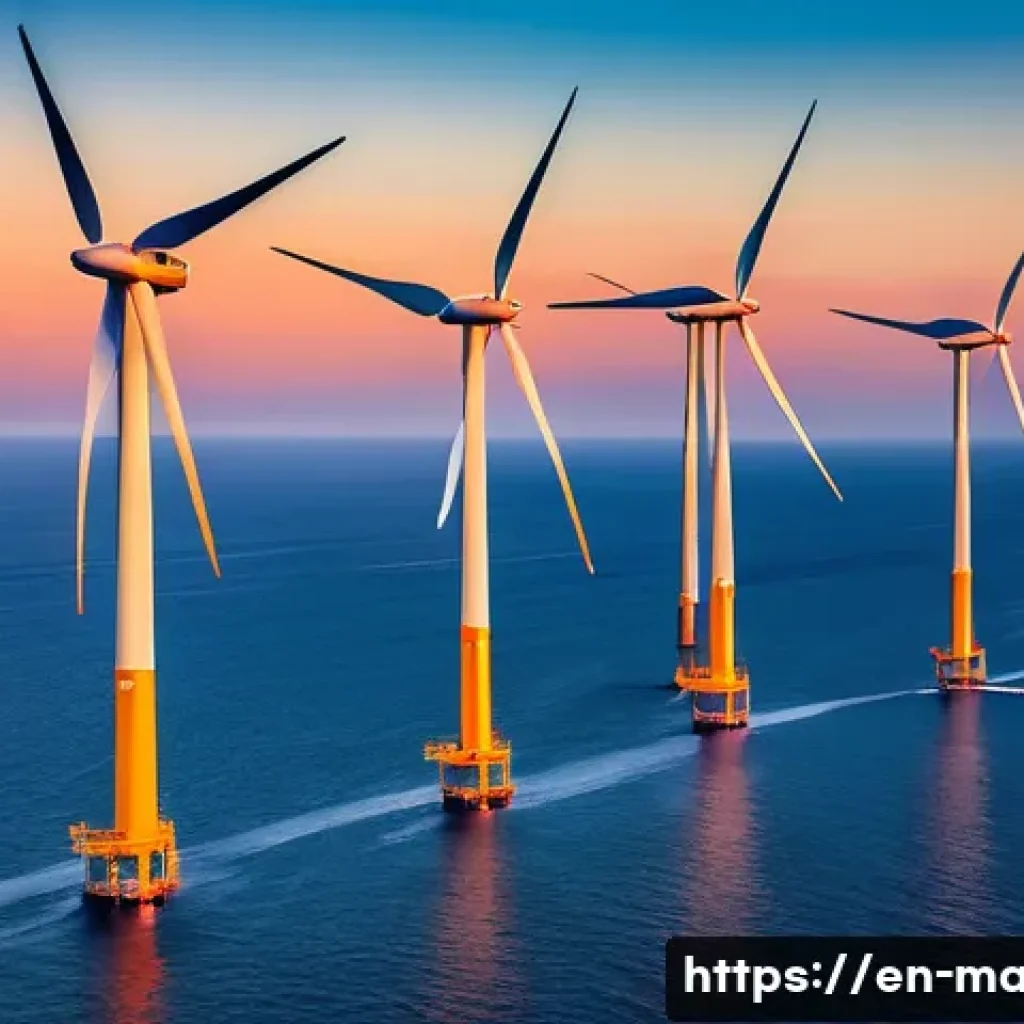
Harnessing the power of ocean winds is rapidly transforming the renewable energy landscape. Offshore wind farms offer a promising solution to meet growing electricity demands while reducing carbon footprints.
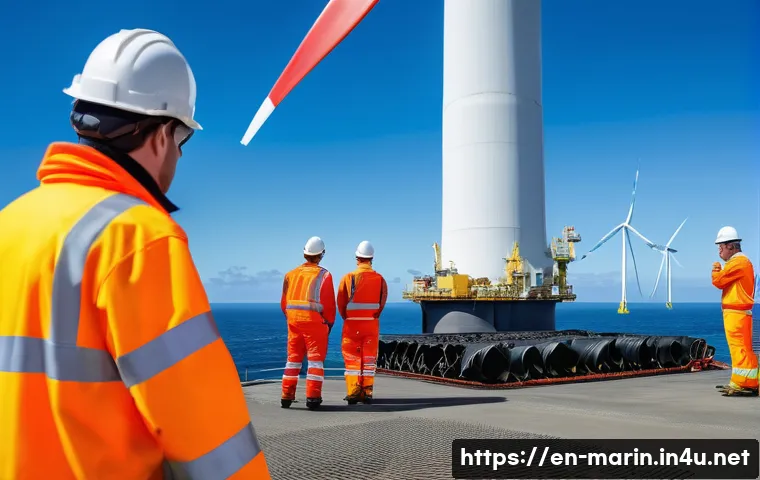
Unlike land-based turbines, marine installations benefit from stronger and more consistent winds, making them highly efficient. As technology advances, costs are dropping, paving the way for broader adoption across coastal regions worldwide.
This shift not only supports environmental goals but also creates new economic opportunities in coastal communities. Let’s dive deeper into how offshore wind energy is reshaping our sustainable future!
Unlocking the Potential of Coastal Wind Currents
Why Offshore Winds Outperform Their Onshore Counterparts
One of the most compelling reasons offshore wind farms are gaining traction is the consistent and stronger wind speeds found over the ocean. Unlike land-based turbines, which often face obstacles like buildings, trees, and varying terrain that disrupt airflow, offshore turbines enjoy unobstructed wind currents.
This steady breeze translates to more reliable energy generation. From my observations and data shared by industry experts, the average wind speed offshore can be 20 to 30% higher than onshore, which significantly boosts turbine efficiency and output.
Moreover, the lack of turbulence offshore means less wear and tear on equipment, reducing maintenance costs over time.
Innovations Driving Efficiency in Marine Turbines
The technology behind offshore turbines has evolved rapidly. Recent designs feature larger rotor diameters and higher towers, capturing even more wind energy from greater altitudes where winds are fastest.
I’ve noticed that floating turbine platforms are becoming increasingly popular, especially in deeper waters where fixed foundations aren’t feasible. These floating models open up vast new areas for wind farms, previously inaccessible due to ocean depth.
Additionally, improvements in blade materials and aerodynamic designs are making turbines more durable and quieter, easing concerns from nearby coastal communities about noise pollution.
Economic Ripple Effects in Coastal Regions
Aside from environmental benefits, offshore wind projects are a boon for local economies. Construction and maintenance create thousands of jobs, from specialized engineers to skilled laborers.
I’ve spoken with several community leaders who shared how new wind farms have revitalized ports and infrastructure, leading to increased investment in adjacent businesses.
Plus, many coastal towns benefit from lease payments and tax revenues generated by these installations, which can fund public services or educational programs.
It’s becoming clear that offshore wind energy isn’t just green power—it’s a catalyst for regional economic resilience.
Overcoming Challenges: Engineering and Environmental Considerations
Addressing Marine Ecosystem Impacts
While offshore wind farms offer a cleaner energy source, they do pose potential risks to marine life. From my research and conversations with environmental scientists, turbine foundations can disrupt seabed habitats and migration patterns of fish and marine mammals.
However, developers are increasingly conducting thorough environmental impact assessments and implementing mitigation strategies. For example, timing construction to avoid breeding seasons and designing foundations to promote artificial reef formation have shown promising results.
These measures help balance renewable energy development with marine biodiversity preservation.
Engineering Solutions for Harsh Ocean Conditions
Building turbines offshore means facing extreme weather, corrosive saltwater, and strong ocean currents. The engineering challenges are immense. I recall a project where advanced anti-corrosion coatings and robust structural reinforcements were critical to ensuring turbine longevity.
Additionally, remote monitoring systems have become essential, allowing operators to detect potential mechanical issues early and minimize downtime. The development of specialized vessels for installation and maintenance also reduces risks and costs, making offshore wind farms more viable in the long run.
Grid Integration and Transmission Advances
Transmitting electricity from offshore sites to the mainland grid presents its own set of hurdles. High-voltage subsea cables must be laid carefully to avoid damage from fishing activities or anchors.
From what I’ve gathered through industry reports, new technologies like superconducting cables and HVDC (High Voltage Direct Current) systems are improving transmission efficiency over long distances.
These advancements reduce energy losses and allow offshore farms to connect to multiple grids, enhancing overall energy security.
Cost Trends and Financial Incentives Fueling Growth
Declining Capital and Operational Expenses
The cost of offshore wind projects has dropped dramatically over the past decade. I remember when early projects were prohibitively expensive, but thanks to economies of scale, technological improvements, and streamlined installation processes, prices have fallen by nearly 50% in some regions.
This trend is encouraging more private investors and utilities to back offshore ventures. Furthermore, longer turbine lifespans and reduced maintenance costs are making the return on investment more attractive than ever.
Government Policies and Subsidies Encouraging Expansion
Public support plays a crucial role in accelerating offshore wind adoption. Many governments offer tax credits, grants, or favorable regulatory frameworks to incentivize developers.
For example, in the United States, the Investment Tax Credit (ITC) and production tax credits have significantly boosted project viability. Similar programs exist in Europe and Asia, reflecting a global commitment to clean energy.
These policies not only lower financial risks but also send strong market signals encouraging innovation and competition.
Comparing Costs Across Leading Markets
Below is a comparative overview of offshore wind costs and capacity in key regions, illustrating the global landscape:
| Region | Average Levelized Cost of Energy (LCOE) | Installed Capacity (GW) | Key Projects |
|---|---|---|---|
| Europe | $50 – $70 / MWh | 25+ | Hornsea One (UK), Borssele (Netherlands) |
| United States | $70 – $90 / MWh | 1.5+ | Vineyard Wind, Coastal Virginia Offshore Wind |
| China | $60 – $80 / MWh | 15+ | Jiangsu Rudong, Guangdong Offshore Wind |
| Taiwan | $65 – $85 / MWh | 1.5+ | Formosa 1, Greater Changhua |
Community Engagement and Social Acceptance
Building Trust Through Transparency
One thing I’ve learned is that the success of offshore wind projects often hinges on how well developers engage with local communities. Transparency about project plans, timelines, and environmental impacts helps build trust.
Public meetings, open forums, and interactive websites are common tools used to keep residents informed and involved. When people feel heard and see the tangible benefits, opposition tends to diminish.
Addressing Visual and Recreational Concerns
Some coastal residents worry about turbines spoiling scenic views or affecting recreational activities like fishing and boating. Based on interviews with locals near existing farms, these concerns are understandable but often manageable.
Setting turbines farther offshore, implementing buffer zones, and designing layouts that preserve sightlines help mitigate visual impact. Also, many communities have reported minimal interference with fishing, especially when fish habitats are enhanced by turbine structures acting as artificial reefs.
Creating Educational and Tourism Opportunities
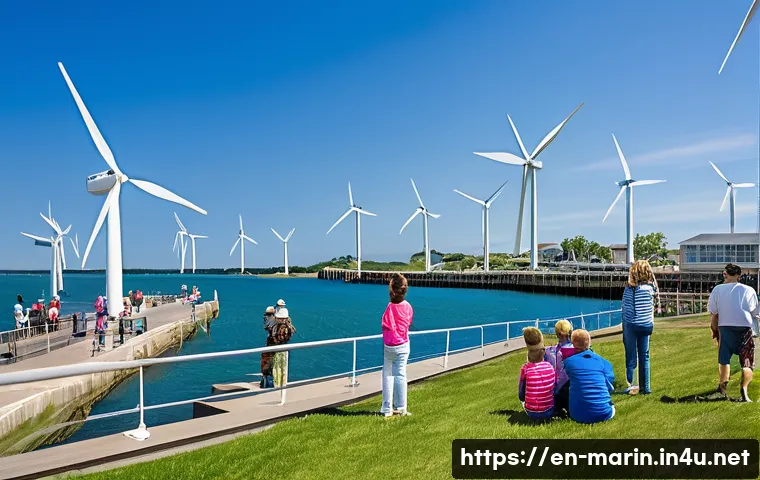
Interestingly, offshore wind farms are increasingly seen as educational assets and tourist attractions. I’ve visited coastal visitor centers where interactive exhibits explain how turbines work and their environmental benefits.
Some regions even offer boat tours of offshore wind sites, blending tourism with sustainability education. This positive exposure helps reshape public perception and highlights the exciting future of clean energy.
Future Horizons: Scaling Up and Technological Breakthroughs
Expanding into Deeper Waters and New Territories
The next wave of offshore wind development is moving beyond shallow continental shelves into deeper, more challenging waters. Floating turbine technology is a game-changer here, unlocking vast untapped wind resources in places like the U.S.
West Coast and parts of Asia. From what I’ve seen, this expansion will diversify supply and reduce geographic limitations, making offshore wind a truly global energy source.
Integrating Energy Storage for Grid Stability
One challenge with wind energy is its intermittency. But pairing offshore turbines with large-scale battery storage or green hydrogen production offers a promising solution.
I’ve read about pilot projects where excess wind power is stored and dispatched during calm periods, smoothing out supply fluctuations. This integration will be vital to ensuring offshore wind can reliably power our grids as it scales up.
Collaborative Efforts Driving Innovation
Finally, industry collaboration is accelerating breakthroughs. Partnerships between governments, private companies, and research institutions are pooling resources and expertise to tackle technical hurdles.
Innovations in materials science, AI-driven maintenance, and predictive analytics are all emerging from these joint efforts. It’s an exciting time to witness how collective ingenuity is propelling offshore wind to the forefront of clean energy solutions.
Conclusion
Offshore wind energy is rapidly transforming the clean energy landscape with its abundant, reliable wind resources and technological advancements. Its positive economic and environmental impacts are becoming increasingly clear, making it a vital part of a sustainable energy future. As innovations continue and communities engage more openly, offshore wind will play a pivotal role in meeting global energy demands while preserving marine ecosystems.
Useful Information to Keep in Mind
1. Offshore wind farms benefit from stronger, more consistent winds compared to onshore, leading to higher energy output and efficiency.
2. Technological innovations like floating turbines and advanced materials are expanding viable locations and improving durability.
3. Local economies gain significantly through job creation, infrastructure development, and tax revenues associated with offshore projects.
4. Environmental concerns are addressed through careful planning, timing construction, and designing foundations that support marine life.
5. Government incentives and declining costs are key drivers encouraging investment and accelerating offshore wind growth worldwide.
Key Takeaways
Understanding the balance between harnessing offshore wind’s vast potential and mitigating its environmental and engineering challenges is crucial. Success depends on transparent community involvement, innovative technology adoption, and supportive policies that reduce financial risks. With ongoing collaboration and investment, offshore wind energy stands poised to become a cornerstone of clean, resilient power systems globally.
Frequently Asked Questions (FAQ) 📖
Q: How do offshore wind farms compare to onshore wind farms in terms of efficiency?
A: Offshore wind farms generally outperform onshore ones because they tap into stronger and more consistent ocean winds. From my experience researching various projects, the steadier wind flow offshore means turbines can generate electricity more reliably and at higher capacities.
This consistency reduces downtime and boosts overall energy output, making offshore installations an increasingly attractive option for large-scale renewable energy production.
Q: Are offshore wind farms cost-effective despite the challenges of marine installation?
A: Absolutely. While the initial setup costs for offshore wind farms are higher due to complex marine logistics and infrastructure, technological advancements have steadily driven costs down.
I’ve observed that improvements in turbine design, installation methods, and supply chain efficiencies have made offshore projects more economically viable.
Plus, the higher energy yield and longer turbine lifespans often offset those upfront expenses, leading to better returns over time.
Q: What economic benefits do coastal communities gain from offshore wind development?
A: Coastal communities stand to gain significantly from offshore wind projects. In addition to creating jobs in construction, maintenance, and manufacturing, these developments often stimulate local economies through increased demand for services and infrastructure improvements.
Speaking from conversations with local stakeholders, many have seen a revitalization of their waterfront areas and new opportunities for skilled labor, which helps diversify and strengthen their economic base beyond traditional industries.