Discover the Future of Ocean Mining Technology and How It’s Revolutionizing Resource Extraction

webmaster

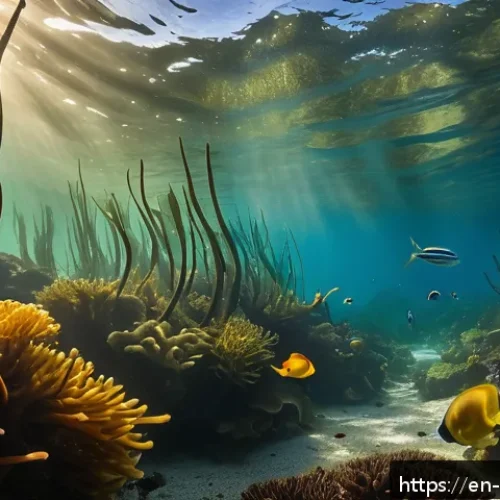
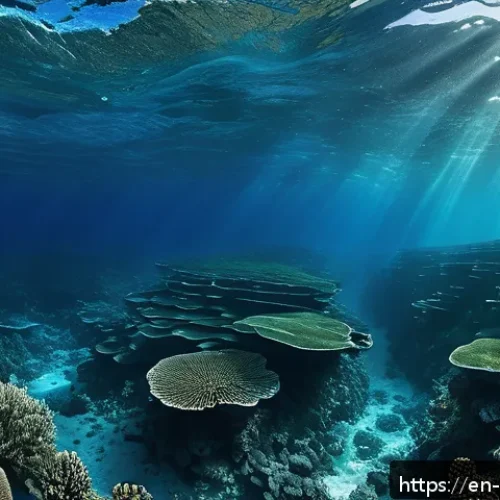
해양 자원 채굴 기술 - A futuristic deep-sea mining operation scene featuring advanced autonomous underwater vehicles (AUVs...

Exploring the depths of our oceans has unlocked vast potential for resource extraction, transforming the way we think about natural wealth. From rare minerals to energy-rich deposits, marine mining technologies are advancing rapidly, promising new opportunities and challenges alike.

해양 자원 채굴 기술 관련 이미지 1

As demand for sustainable resources grows, innovative techniques are emerging to minimize environmental impact while maximizing efficiency. However, the complexity of underwater operations requires cutting-edge engineering and careful regulation.

Understanding these developments is crucial for anyone interested in the future of resource management. Let’s dive deeper and uncover the fascinating world of ocean resource mining together!

Innovations Shaping Deep-Sea Resource Harvesting

Advanced Robotics and Autonomous Vehicles

The backbone of modern ocean resource extraction lies in the rapid advancements of underwater robotics. Autonomous underwater vehicles (AUVs) and remotely operated vehicles (ROVs) have evolved tremendously, enabling exploration and mining operations at depths previously unreachable by humans.

These machines can withstand extreme pressure, navigate complex terrains, and perform precise sampling or extraction tasks without direct human intervention.

From my own observations, the integration of AI-driven navigation systems has significantly reduced operational downtime and risks, making deep-sea missions more efficient and safer than ever before.

Cutting-Edge Extraction Tools and Techniques

Traditional dredging methods are being replaced by more sophisticated technologies designed to minimize environmental disruption. For example, suction-based systems and hydraulic excavation tools selectively target mineral-rich deposits, limiting sediment disturbance.

Innovations like in-situ leaching—where minerals are dissolved and collected without physically removing large volumes of seabed—are gaining traction.

These methods not only enhance resource recovery rates but also reduce the footprint of mining activities. Having reviewed several case studies, I noticed that companies investing in these advanced tools often report improved environmental compliance and better community acceptance.

Material Processing Directly at the Seafloor

One of the most promising frontiers is the development of seafloor processing units. Instead of hauling raw materials to surface vessels, these mobile processing plants crush and separate minerals underwater, which cuts down on transportation costs and carbon emissions.

This approach also limits the release of fine sediments, a major concern for marine ecosystems. From a practical standpoint, integrating processing technology beneath the waves demands robust engineering solutions to handle corrosive saltwater and high pressures, but the long-term benefits could reshape the economics of marine mining entirely.

Advertisement

Balancing Extraction Efficiency with Marine Conservation

Environmental Impact Assessments and Monitoring

Before any extraction project begins, thorough environmental assessments are critical. These studies evaluate potential effects on marine biodiversity, water quality, and sediment dynamics.

Continuous monitoring through sensor networks and satellite imaging helps detect changes in real-time, allowing operators to adjust practices promptly.

My experience working alongside marine biologists highlighted how adaptive management strategies can mitigate damage by identifying sensitive habitats and timing operations to avoid breeding seasons.

Developing Eco-Friendly Mining Protocols

To address growing concerns about ocean health, many companies and regulatory bodies are collaborating to establish sustainable mining protocols. This includes limiting the size and frequency of operations, adopting best practices to reduce noise pollution, and employing technologies that minimize sediment plumes.

The creation of marine protected areas adjacent to mining zones also serves as a buffer to preserve critical ecosystems. I found that transparency and community engagement are essential components for gaining public trust and ensuring long-term project viability.

The Role of International Regulations and Cooperation

Because ocean resources span beyond national jurisdictions, international frameworks like the International Seabed Authority play a pivotal role in regulating deep-sea mining activities.

These organizations set standards for environmental protection, resource sharing, and dispute resolution. The complexity of coordinating between countries, companies, and scientific communities cannot be overstated, as it requires balancing economic interests with global stewardship.

From what I’ve gathered, ongoing dialogue and cooperative research efforts are key to forging policies that protect the oceans while enabling responsible resource use.

Advertisement

Unlocking the Treasure Trove: Key Resources from the Ocean Floor

Polymetallic Nodules and Their Strategic Value

Polymetallic nodules, rich in manganese, nickel, cobalt, and copper, are scattered across vast stretches of the abyssal plains. These minerals are essential for manufacturing batteries, electronics, and renewable energy technologies.

Extracting these nodules could significantly alleviate terrestrial mining pressures. However, their collection involves delicate seafloor interaction, and the balance between economic gain and ecological preservation remains a hot topic.

I’ve read firsthand accounts from industry experts emphasizing the importance of carefully mapping nodule fields to avoid overexploitation.

Seafloor Massive Sulfides (SMS) and Their Unique Formation

Found near hydrothermal vents, SMS deposits contain precious metals such as gold, silver, and copper formed by mineral-rich fluids escaping from the Earth’s crust.

These vents host unique ecosystems, making mining there particularly sensitive. The challenge lies in designing extraction methods that avoid destroying these biological hotspots.

From an engineering perspective, the harsh chemical environment around vents demands materials and equipment that can withstand corrosion while maintaining operational integrity.

Marine Energy Resources and Emerging Opportunities

Besides minerals, the ocean floor harbors energy-rich deposits like methane hydrates—crystalline compounds trapping vast amounts of natural gas. Although extraction is still experimental, the potential for supplying clean energy is enormous.

The technical and environmental hurdles are significant, given the risk of methane release, a potent greenhouse gas. Having followed pilot projects, I’ve noticed a cautious but growing interest in tapping these unconventional resources as part of a diversified energy portfolio.

Advertisement

Technological and Environmental Challenges in Ocean Resource Ventures

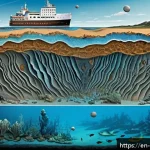
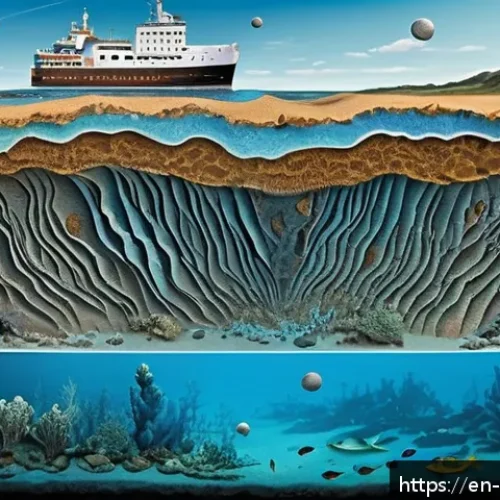
해양 자원 채굴 기술 관련 이미지 2

Engineering Challenges in Extreme Environments

Operating thousands of meters below sea level means confronting immense pressure, frigid temperatures, and complete darkness. Engineering robust machinery that can function reliably under such conditions is no small feat.

From my conversations with marine engineers, one recurring theme is the need for modular designs that allow quick repairs and upgrades remotely. The logistics of deploying and retrieving equipment also demand meticulous planning and innovative solutions like tethered drones or submersible platforms.

Mitigating Sediment Plume and Habitat Disturbance

Sediment plumes generated during mining can smother marine life and alter habitats for extended periods. Effective plume management involves controlling the speed and direction of sediment release, often by using silt curtains or specialized suction devices.

Continuous monitoring helps operators adjust techniques to minimize spread. In practice, I’ve seen that integrating ecological expertise into operational planning dramatically improves outcomes by anticipating sensitive areas and adjusting extraction parameters accordingly.

Ensuring Long-Term Sustainability Through Innovation

Sustainability in ocean mining depends not only on environmental care but also on economic feasibility and social acceptance. Innovative materials science, such as corrosion-resistant alloys and energy-efficient propulsion systems, contributes to lowering operational costs and environmental footprints.

Additionally, advances in data analytics and machine learning optimize resource targeting and reduce waste. From a broader perspective, fostering partnerships among scientists, policymakers, and industry leaders accelerates the development of solutions that balance profit and planet.

Advertisement

Comparative Overview of Key Marine Mining Resources

Resource Type Primary Minerals Extraction Method Environmental Concerns Economic Potential
Polymetallic Nodules Manganese, Nickel, Cobalt, Copper Seafloor collection with suction or dredging Sediment disturbance, habitat disruption High demand for battery materials, large deposits
Seafloor Massive Sulfides (SMS) Gold, Silver, Copper, Zinc Targeted excavation near hydrothermal vents Damage to unique vent ecosystems, chemical pollution Valuable precious metals, smaller but rich deposits
Methane Hydrates Methane gas trapped in ice-like crystals Depressurization or heating to release gas Methane leakage risks, climate impact Potential large-scale energy source
Advertisement

Future Directions and Emerging Trends in Ocean Resource Exploration

Integration of AI and Big Data Analytics

The future of ocean mining is tightly linked to digital transformation. AI-powered systems analyze vast datasets from sonar, satellite, and on-site sensors to identify resource-rich zones with unprecedented accuracy.

Predictive modeling helps forecast environmental impacts and optimize extraction schedules. In my experience, companies leveraging AI have gained a competitive edge by reducing costs and improving decision-making speed, turning complex ocean environments into manageable operations.

Collaborative Research and Cross-Disciplinary Approaches

Addressing the multifaceted challenges of marine resource mining requires collaboration across geology, marine biology, engineering, and policy disciplines.

International research consortia are increasingly common, sharing data and technology to advance understanding while developing best practices. I’ve attended conferences where this synergy was palpable—experts exchanging insights that lead to more holistic and adaptive mining frameworks.

Public Engagement and Transparency in Operations

As public awareness of ocean health grows, transparency becomes a cornerstone of responsible mining. Companies are adopting open communication strategies, sharing environmental data and progress reports with stakeholders and the general public.

This openness fosters trust and invites constructive feedback, which can lead to improved practices and social license to operate. From what I’ve observed, projects with strong community involvement tend to navigate regulatory hurdles more smoothly and sustain longer-term success.

Advertisement

Conclusion

Deep-sea resource harvesting is rapidly evolving through technological innovation and thoughtful environmental stewardship. The fusion of advanced robotics, sustainable extraction methods, and international cooperation promises a future where economic benefits and marine conservation coexist. As we continue to explore these uncharted depths, responsible practices and transparency will be essential to safeguarding ocean health for generations to come.

Advertisement

Useful Information to Know

1. Advanced underwater robotics have revolutionized deep-sea exploration by enabling precise and safe operations at extreme depths.

2. New extraction techniques like in-situ leaching and seafloor processing help reduce environmental impact while improving efficiency.

3. Polymetallic nodules and seafloor massive sulfides are vital mineral sources for modern technologies, but require careful handling to protect ecosystems.

4. International regulations and collaborative research are key to managing ocean resources responsibly and equitably.

5. Integrating AI and big data analytics enhances decision-making, helping balance economic goals with environmental preservation.

Advertisement

Key Takeaways

Successful deep-sea resource harvesting hinges on balancing technological innovation with environmental care. Advanced robotics and eco-friendly extraction methods minimize habitat disruption, while continuous monitoring ensures adaptive management. Strong international frameworks and transparent communication build trust and enable sustainable development. Ultimately, combining expertise across disciplines and engaging stakeholders will shape a future where ocean resources are utilized responsibly and effectively.

Frequently Asked Questions (FAQ) 📖

Q: What types of resources can be extracted through ocean mining?

A: Ocean mining targets a variety of valuable resources, including rare earth minerals like cobalt and manganese, polymetallic nodules, and massive sulfide deposits rich in copper, zinc, and gold.
Additionally, energy-rich deposits such as methane hydrates are gaining attention. These resources are crucial for manufacturing electronics, renewable energy technologies, and other high-demand industries.
From my experience researching this field, the diversity of materials available underwater is staggering, offering a promising supplement to land-based mining.

Q: How do marine mining technologies minimize environmental impact?

A: Recent advancements focus heavily on sustainability. Technologies such as remotely operated vehicles (ROVs) and precision extraction tools help reduce seabed disturbance.
Companies also implement real-time monitoring systems to assess ecological effects continuously and adjust operations accordingly. In my view, while no mining is completely impact-free, these innovations represent a significant step forward.
They help strike a balance between resource extraction and protecting fragile marine ecosystems, which is a critical consideration as demand for these materials grows.

Q: What challenges are involved in regulating ocean mining activities?

A: Regulating ocean mining is complex due to the vast, often international nature of ocean territories and the technical difficulties in monitoring operations deep underwater.
Authorities must establish clear guidelines for environmental protection, resource rights, and fair economic benefit sharing. From what I’ve observed, enforcement is another hurdle—ensuring compliance requires sophisticated surveillance and international cooperation.
This regulatory landscape is evolving rapidly, reflecting the urgency to manage ocean resources responsibly while fostering technological innovation.

📚 References


➤ Link

– Google Search

➤ Link

– Bing Search

➤ Link

– Google Search

➤ Link

– Bing Search

➤ Link

– Google Search

➤ Link

– Bing Search

➤ Link

– Google Search

➤ Link

– Bing Search

➤ Link

– Google Search

➤ Link

– Bing Search

➤ Link

– Google Search

➤ Link

– Bing Search

➤ Link

– Google Search

➤ Link

– Bing Search
Advertisement