7 Surprising Ways Marine Mammal Research is Changing Our Oceans Forever

webmaster

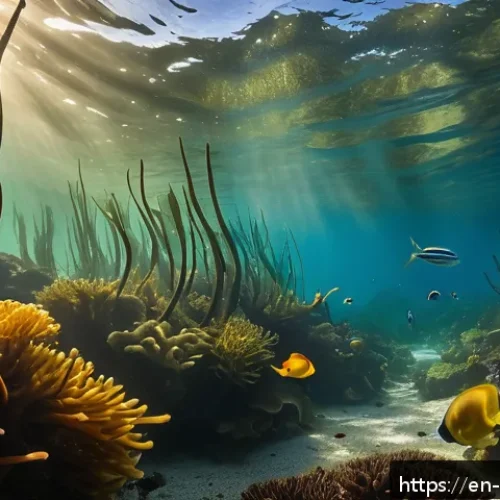
해양 포유류 연구 - A detailed underwater scene showing a pod of bottlenose dolphins actively communicating with each ot...

Exploring the world of marine mammals opens a fascinating window into some of the ocean’s most intelligent and adaptable creatures. From the playful dolphins to the majestic whales, these animals play a crucial role in maintaining marine ecosystems.

해양 포유류 연구 관련 이미지 1

Understanding their behavior, communication, and migration patterns not only enriches our knowledge but also helps in conserving endangered species. Advances in technology have made it easier than ever to study these elusive beings in their natural habitats.

Join me as we dive deeper into the incredible science behind marine mammal research—let’s uncover the secrets of the ocean together! Stay tuned to learn all about it in detail.

Communication and Social Dynamics in Marine Mammals

Complex Vocalizations and Language Patterns

Marine mammals are renowned for their remarkable vocal abilities, which go far beyond simple calls. Dolphins, for example, use a sophisticated system of clicks, whistles, and pulsed sounds that scientists believe function as individual “names” or identifiers.

When I observed bottlenose dolphins in the wild, it was astonishing how they seemed to respond selectively to certain whistles, indicating a level of recognition and social complexity that rivals some terrestrial mammals.

Whales also communicate through haunting songs that can travel for miles underwater, serving purposes ranging from mating to navigation. These vocalizations are not random; they follow structured patterns that researchers are still trying to decode, revealing layers of meaning and social context.

Social Structures and Group Behaviors

Social dynamics among marine mammals are equally fascinating. Species like orcas live in tight-knit pods with matrilineal hierarchies, where knowledge and hunting techniques are passed down through generations.

From what I’ve gathered through reading and field reports, these pods exhibit cooperative behaviors, such as coordinated hunting and even communal care for young.

On the other hand, some species, like humpback whales, tend to be more solitary or form temporary groups during migration or feeding. Understanding these social bonds is crucial because it informs conservation strategies that protect not just individuals but entire social groups critical for species survival.

Non-Verbal Communication and Body Language

Beyond sound, body language plays a pivotal role in marine mammal interactions. Tail slaps, breaches, and pectoral fin touches can communicate aggression, playfulness, or submission.

In one memorable encounter while snorkeling, I noticed how a pod of dolphins used synchronized leaps and gentle nudges to coordinate movement and engage socially.

These visual signals often complement vocalizations, creating a complex communication network. Recognizing and interpreting these behaviors helps researchers understand the emotional and social states of these animals, which is invaluable for improving human interactions and mitigating stress in captivity or rehabilitation settings.

Advertisement

Navigation and Migration Patterns Across Oceans

Long-Distance Travel and Seasonal Movements

Many marine mammals undertake epic migrations that span thousands of miles, often between feeding grounds and breeding areas. Humpback whales, for instance, migrate annually from polar feeding zones to tropical breeding waters.

Tracking these journeys has become much more precise with satellite tagging technology. From what I’ve read and seen, these migrations are timed meticulously with environmental cues like water temperature and food availability.

Such migrations highlight the incredible endurance and navigational skills of these creatures, raising questions about how climate change might disrupt these patterns and what that means for their future.

Magnetic and Environmental Navigation

One of the most intriguing aspects of marine mammal migration is their ability to navigate vast open oceans without visible landmarks. Research suggests that many species can detect Earth’s magnetic fields, using them like an internal compass.

In addition, they may rely on the sun, stars, and ocean currents. I recall a study where researchers found that disruptions to magnetic fields, such as those caused by human activity, could disorient some whales.

This sensitivity underscores the need for minimizing electromagnetic pollution in marine habitats, a factor often overlooked in conservation discussions.

Impact of Human Activity on Migration

Human-induced changes, including shipping traffic, fishing nets, and noise pollution, are increasingly affecting marine mammal migration. Noise from ships can interfere with communication and echolocation, causing disorientation or habitat avoidance.

From personal experience volunteering on a whale-watching vessel, I’ve witnessed whales altering their routes to avoid busy shipping lanes, which may lead to increased energy expenditure and stress.

Efforts to create marine protected corridors and regulate vessel speeds are steps toward mitigating these impacts, but more coordinated global action is essential to safeguard these majestic travelers.

Advertisement

Feeding Strategies and Ecological Roles

Diverse Diets and Foraging Techniques

Marine mammals display a wide array of feeding habits, adapted to their environments and prey types. Seals and sea lions often dive deep to catch fish or squid, while baleen whales filter vast amounts of krill and small fish through their baleen plates.

What struck me during a guided tour in Alaska was witnessing humpback whales’ bubble-net feeding—a coordinated effort where whales create a circle of bubbles to trap prey before lunging upward with open mouths.

This behavior highlights not only their intelligence but also their role as ecosystem engineers, influencing prey distribution and nutrient cycling.

Role in Maintaining Marine Ecosystems

By preying on fish and invertebrates, marine mammals help regulate species populations, maintaining a balanced ecosystem. Their movements can also facilitate nutrient mixing in the water column, enhancing productivity.

For example, whale feces are rich in iron, which stimulates plankton growth, forming the base of the marine food web. This nutrient recycling is sometimes called the “whale pump.” Understanding these ecological roles has deepened my appreciation for how interconnected ocean life is and why protecting marine mammals benefits entire ecosystems.

Adaptations for Efficient Feeding

To thrive in diverse marine environments, these mammals have evolved remarkable adaptations. Echolocation in dolphins and toothed whales allows them to locate prey even in murky waters or complete darkness.

Baleen whales, meanwhile, have specialized throat pleats that expand to engulf huge volumes of water. I remember reading about the unique dentition of walruses, which use their tusks not only for defense but also to dislodge clams from the seafloor.

These physical and behavioral adaptations demonstrate the evolutionary ingenuity of marine mammals in exploiting available resources.

Advertisement

Technological Advances Enhancing Marine Mammal Studies

Satellite Tagging and GPS Tracking

The advent of satellite tagging has revolutionized how scientists study marine mammals in the wild. Tags attached to animals relay real-time data on their location, dive depth, and even heart rate.

I found it fascinating how these tags can remain attached for months, providing continuous insights without disturbing the animals. This technology has unveiled migration routes previously unknown and revealed how animals respond to environmental changes, making it a game-changer for conservation biology.

Acoustic Monitoring and Underwater Recording

Underwater microphones, or hydrophones, have opened a new window into the acoustic world of marine mammals. Deploying these devices in key habitats allows researchers to monitor vocal activity over long periods, capturing rare behaviors and social interactions.

I recall a project where hydrophones detected the presence of elusive species in areas where visual surveys had failed, proving their value for tracking biodiversity.

Acoustic data also help assess the impacts of human-made noise, guiding policies to reduce acoustic disturbances.

Drone Technology for Observation and Data Collection

Drones are increasingly used to observe marine mammals from above, providing detailed footage of behavior without intrusive boat approaches. From my conversations with marine biologists, drones offer a safer and less stressful way to study animals, especially mothers with calves.

High-resolution images can also measure body condition and identify individuals through unique markings. This non-invasive approach enhances our ability to monitor populations and health trends, which is critical for timely conservation interventions.

Advertisement

Conservation Challenges and Global Efforts

Threats from Climate Change and Pollution

Climate change poses multifaceted threats to marine mammals by altering habitats, shifting prey availability, and increasing disease risks. For instance, melting ice is shrinking the hunting grounds of polar bears and seals.

Pollution, including plastics and chemical contaminants, accumulates in marine food webs, affecting health and reproduction. I have read heartbreaking accounts of animals entangled in fishing gear or ingesting debris.

These challenges demand urgent attention and collaboration across nations to reduce emissions and clean up marine environments.

International Protection and Policy Measures

Global treaties like the Marine Mammal Protection Act and the International Whaling Commission aim to safeguard these species. These policies regulate hunting, bycatch, and habitat disturbance.

From my experience following marine conservation news, enforcement remains a challenge due to varying national interests and resource limitations. However, growing public awareness and advocacy have led to expanding marine protected areas and stricter shipping regulations, signaling progress in international cooperation.

Community Engagement and Ecotourism

Engaging local communities and promoting responsible ecotourism can be powerful tools for conservation. When people witness marine mammals in their natural habitats, they often develop a personal connection and motivation to protect them.

I’ve met many whale-watchers who became vocal advocates after their trips. Sustainable tourism provides economic incentives for conservation while educating the public about marine life.

Balancing tourism with animal welfare requires careful guidelines, but when done right, it fosters coexistence and stewardship.

Advertisement

Comparative Intelligence and Problem-Solving Abilities

Evidence of Advanced Cognition

Marine mammals exhibit intelligence that rivals some primates, demonstrated through problem-solving, tool use, and social learning. Dolphins, for instance, have been observed using marine sponges as protective tools while foraging, a behavior passed culturally among individuals.

I remember reading a study where orcas adapted hunting techniques to target different prey based on local conditions, showing behavioral flexibility. These cognitive traits challenge us to rethink how we define intelligence across species.

Play and Creativity in Behavior

Play is a hallmark of intelligence and social bonding in marine mammals. Juvenile dolphins engage in games that involve chasing, leaping, and object manipulation, which likely develop motor skills and social understanding.

Watching videos of humpback whales breaching and tail slapping reveals a level of exuberance and creativity that feels surprisingly human. This playful behavior enriches social ties and may even function as a form of communication or stress relief.

Implications for Conservation and Ethics

Recognizing the advanced cognition of marine mammals raises ethical considerations about their treatment in captivity, research, and human interactions.

Personally, I feel a strong responsibility to advocate for humane policies that respect their complex emotional lives. This understanding also fuels efforts to create more naturalistic environments in rehabilitation centers and to minimize human disturbances.

Valuing their intelligence encourages a deeper respect and commitment to preserving these extraordinary beings for future generations.

Marine Mammal Species Communication Method Migration Distance Feeding Strategy Conservation Status
Bottlenose Dolphin Clicks, whistles, signature whistles Up to 100 km seasonal movements Fish hunting using echolocation Least Concern
Humpback Whale Complex songs, social sounds Up to 8,000 km annual migration Bubble-net feeding on krill and small fish Least Concern, some populations endangered
Orca (Killer Whale) Pod-specific dialects, clicks Varies, often local but some long-range Cooperative hunting of fish, mammals Data Deficient to Endangered (varies by population)
Walrus Grunts, bellows, physical gestures Seasonal movements within Arctic regions Clam foraging using tusks Vulnerable
Beluga Whale Whistles, clicks, echolocation Seasonal migration in Arctic and sub-Arctic Fish and invertebrate feeding Near Threatened
Advertisement

In Conclusion

Marine mammals showcase extraordinary communication skills, social structures, and migration patterns that highlight their intelligence and adaptability. Observing these creatures up close reveals the intricate connections they maintain within their environments and social groups. Protecting them is not only vital for their survival but also for the health of our oceans. Their stories inspire us to deepen our commitment to marine conservation and responsible stewardship.

Advertisement

Useful Information to Remember

1. Marine mammals use complex vocalizations and body language to communicate, indicating high social intelligence and emotional depth.

2. Many species undertake long migrations guided by environmental cues and magnetic navigation, demonstrating remarkable endurance.

3. Feeding strategies vary widely, with adaptations like echolocation and bubble-net feeding showcasing evolutionary ingenuity.

4. Modern technologies such as satellite tagging, acoustic monitoring, and drones have revolutionized our understanding of these animals.

5. Conservation challenges like climate change, pollution, and human disturbances require global cooperation and community engagement for effective solutions.

Advertisement

Key Takeaways

Understanding marine mammals’ complex communication and social behaviors helps improve conservation efforts. Their long-distance migrations and unique feeding adaptations reveal their vital role in ocean ecosystems. Advances in technology are critical for monitoring populations and mitigating human impacts. Finally, recognizing their intelligence underscores the ethical responsibility to protect their habitats and ensure their well-being for generations to come.

Frequently Asked Questions (FAQ) 📖

Q: How do marine mammals communicate with each other in the vast ocean?

A: Marine mammals use a variety of sounds, body language, and even echolocation to communicate. For example, dolphins produce clicks and whistles that carry over long distances underwater, allowing them to maintain social bonds and coordinate hunting.
Whales often sing complex songs that can last for hours, which researchers believe play a role in mating and navigation. From my experience reading studies and watching documentaries, these communication methods are incredibly sophisticated, showcasing just how intelligent these creatures are.

Q: What are the biggest threats facing marine mammals today, and how can research help protect them?

A: The most significant threats include habitat loss, pollution, climate change, and entanglement in fishing gear. Noise pollution from ships also disrupts their communication and navigation.
Through ongoing research, scientists can identify critical habitats, migration routes, and behaviors that need protection. For instance, tracking migration patterns has helped establish marine protected areas, reducing human impact.
Personally, I’ve seen how these conservation efforts, driven by detailed research, have made a real difference in stabilizing some endangered populations.

Q: How has technology advanced the study of marine mammals in recent years?

A: Technological innovations like satellite tagging, underwater drones, and acoustic monitoring have revolutionized marine mammal research. These tools allow scientists to observe animals without disturbing them, collect real-time data on their movements, and analyze their sounds in detail.
I remember reading about researchers using drones to capture aerial footage of whale pods, providing insights that were impossible before. This technology not only deepens our understanding but also improves conservation strategies by offering precise, up-to-date information.

📚 References


➤ Link

– Google Search

➤ Link

– Bing Search

➤ Link

– Google Search

➤ Link

– Bing Search

➤ Link

– Google Search

➤ Link

– Bing Search

➤ Link

– Google Search

➤ Link

– Bing Search

➤ Link

– Google Search

➤ Link

– Bing Search

➤ Link

– Google Search

➤ Link

– Bing Search

➤ Link

– Google Search

➤ Link

– Bing Search
Advertisement