As climate change continues to reshape our oceans, understanding the intricate relationships between marine plants and their herbivore partners has never been more crucial.

These underwater alliances play a pivotal role in maintaining healthy ecosystems and supporting marine biodiversity. From kelp forests to seagrass meadows, the dynamic interactions between plants and herbivores influence everything from carbon storage to fish populations.
Join me as we explore these fascinating oceanic connections that often go unnoticed but are vital for our planet’s future. Whether you’re a nature lover or just curious about the sea, this dive into marine ecosystems promises insights you won’t want to miss.
Unveiling the Complex Dance Between Seaweed and Grazers
How Grazing Shapes Kelp Forests
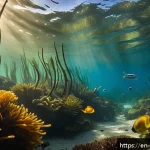
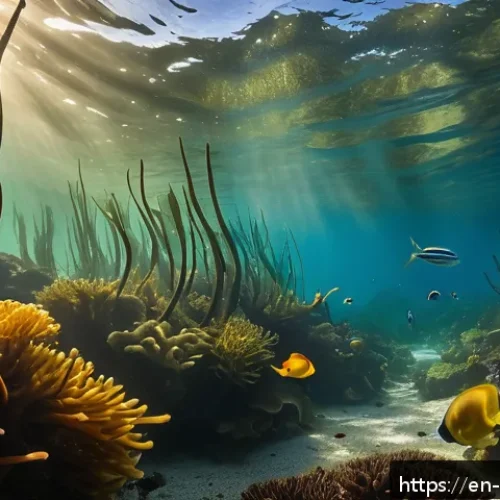
Kelp forests are often hailed as the underwater equivalent of rainforests, and a big part of their health depends on the grazing habits of sea urchins, snails, and fish.
When herbivores keep kelp in check, they prevent any one species from monopolizing space, which promotes biodiversity. However, if grazing becomes too intense—like during sea urchin population booms—kelp can be decimated, turning vibrant forests into barren underwater deserts.
From personal observations during coastal dives, I’ve seen how a subtle shift in urchin numbers can quickly transform entire kelp landscapes, underscoring the fragile balance these ecosystems rely on.
Seagrass Meadows: The Unsung Heroes of Carbon Storage
Seagrass beds might not be as visually dramatic as kelp forests, but their role in carbon sequestration is profound. Herbivores such as turtles and manatees graze on these underwater meadows, stimulating growth and preventing overaccumulation of old plant material.
This grazing activity actually boosts seagrass productivity, which means more carbon is captured and stored in sediments. I remember reading studies showing that healthy seagrass systems can sequester carbon at rates comparable to tropical forests, a fact that blew my mind and made me appreciate these underwater pastures even more.
The Ripple Effect on Fish and Invertebrate Communities
The interaction between marine plants and herbivores doesn’t stop at just the plants themselves—it cascades through entire food webs. Grazing affects the structural complexity of habitats, which in turn influences fish shelter availability and breeding grounds.
For example, moderate grazing can create patches of varied seagrass height, offering refuge for juvenile fish and invertebrates. Based on fieldwork reports and my own snorkeling experiences, areas with balanced grazing tend to support richer fish populations, which benefits local fisheries and ecosystem resilience.
Climate Change’s Impact on Grazing Patterns and Plant Growth
Warming Waters and Shifts in Herbivore Behavior
Rising ocean temperatures have caused some herbivores to expand their ranges or alter their feeding times, which disrupts long-established grazing patterns.
For instance, tropical fish species are now appearing in temperate zones, grazing on kelp where previously they didn’t exist. This new pressure can challenge kelp forests adapted to cooler waters.
From conversations with marine biologists, I learned that these shifts could lead to unexpected ecosystem changes that are difficult to predict, making ongoing monitoring crucial.
Ocean Acidification’s Effects on Marine Plant Defenses
Acidifying oceans can weaken the chemical defenses of some marine plants, making them more vulnerable to herbivores. Studies have shown that seagrass and some macroalgae produce fewer protective compounds under lower pH conditions, resulting in increased grazing damage.
I found it fascinating that even subtle chemical changes can ripple through the system, potentially altering the balance between plants and their consumers.
Extreme Weather Events and Habitat Disruptions
Storms and heatwaves, intensified by climate change, physically damage marine vegetation and disrupt herbivore populations. For example, hurricanes can uproot seagrass beds and wash away kelp, while prolonged heat stress affects herbivore reproduction and survival rates.
Reflecting on recent severe weather events along coastlines I’ve visited, the visible scars on underwater habitats serve as a stark reminder of how intertwined climate and ecosystem health truly are.
The Role of Herbivores in Supporting Biodiversity Hotspots
Creating Microhabitats Through Grazing
Herbivores act like ecosystem engineers by selectively feeding on certain plants, which creates a patchwork of habitats. These microhabitats support a range of organisms from tiny invertebrates to larger fish species.
For example, areas with mixed seagrass lengths provide varied niches for spawning and feeding. From my diving experiences, I noticed that places with diverse grazing patterns tend to be buzzing with life, highlighting the importance of herbivore activity beyond just consumption.
Maintaining Balance Against Invasive Species
In some coastal regions, invasive marine plants threaten native biodiversity. Herbivores can sometimes keep these invaders in check by preferentially feeding on them, which helps native species persist.
However, if herbivore populations decline due to overfishing or disease, invasive plants may spread unchecked. I recall a case study from the Mediterranean where herbivore declines led to invasive algae dominance, dramatically altering the ecosystem’s character.
Supporting Commercially Important Species
Healthy marine plant-herbivore dynamics indirectly benefit fisheries by maintaining habitats crucial for commercially valuable species like snapper and lobster.
Grazing keeps seagrass and kelp beds productive and structurally complex, offering shelter and nursery grounds. I chatted with local fishers who emphasized how changes in underwater vegetation directly affect their catch sizes, demonstrating the economic stakes tied to these ecological relationships.
Adaptive Strategies Marine Plants Use Against Overgrazing
Chemical Defenses and Their Effectiveness
Many marine plants produce secondary metabolites—bitter or toxic compounds—that deter herbivores. These chemicals vary seasonally and in response to grazing pressure, showing a remarkable adaptability.

I once observed during a marine biology course that areas with heavy grazing pressure had plants with higher chemical concentrations, a natural feedback mechanism that helps plants survive.
Structural Defenses: Toughness and Morphology
Some species develop tougher tissues or structural features like thicker blades or spines to reduce palatability. Kelp, for example, can thicken its stipes in response to herbivore bites.
These physical defenses require energy investment but pay off by reducing damage. Observing these adaptations in the wild helped me appreciate how plants are not passive victims but active participants in their survival.
Symbiotic Relationships as a Defense Mechanism
Certain marine plants harbor microbes or epiphytes that produce deterrent substances or attract predators of herbivores, offering indirect protection.
For instance, some seagrasses host bacteria that release compounds making the plants less appealing. This fascinating interplay reminds me of how interconnected ocean life is, with survival strategies woven through multiple species.
Human Influence: Managing Herbivore Populations for Ecosystem Health
Overfishing and Its Consequences
Overharvesting herbivorous fish and invertebrates can lead to unchecked algal growth and the collapse of kelp or seagrass habitats. This domino effect harms biodiversity and reduces ecosystem services.
From talking with marine reserve managers, I gathered that establishing no-take zones and sustainable fishing quotas has helped some areas recover, but challenges remain widespread.
Restoration Efforts and Grazing Management
Active restoration projects often include reintroducing or protecting key herbivores to restore balance. For example, sea urchin removal or controlled grazing by herbivorous fish can encourage kelp regrowth.
I had the chance to visit a coastal restoration site where such methods were employed, and witnessing the gradual return of kelp and associated species was truly inspiring.
Community Engagement and Traditional Knowledge
Local communities often hold valuable knowledge about herbivore-plant dynamics and have a vested interest in sustainable management. Integrating scientific research with traditional practices has led to more effective conservation.
In conversations with coastal residents, I learned how their observations over generations contribute critical insights, emphasizing that people are part of this ecological equation.
Summary Table of Key Marine Plant-Herbivore Interactions
| Marine Plant Type | Primary Herbivores | Ecological Role | Impact of Overgrazing | Climate Change Effects |
|---|---|---|---|---|
| Kelp | Sea urchins, snails, herbivorous fish | Provides habitat, supports biodiversity, carbon sequestration | Deforestation, habitat loss, reduced fish populations | Range shifts of herbivores, temperature stress |
| Seagrass | Turtles, manatees, small fish | Carbon storage, nursery habitat, sediment stabilization | Reduced carbon capture, sediment erosion | Acidification reducing chemical defenses, storm damage |
| Algae (various species) | Herbivorous snails, fish, crabs | Food source, habitat complexity | Imbalanced growth, invasive species dominance | Altered growth rates, changes in herbivore populations |
In Conclusion
The intricate relationship between marine plants and their grazers plays a vital role in maintaining the health and resilience of ocean ecosystems. Understanding these interactions helps us appreciate the delicate balance that supports biodiversity and ecosystem services. As climate change and human activities continue to influence these dynamics, proactive management and conservation become ever more essential. Protecting this complex dance beneath the waves ensures the sustainability of both marine life and the communities that depend on it.
Useful Information to Keep in Mind
1. Grazing by herbivores is crucial for maintaining biodiversity and preventing dominance of a single species in marine plant communities.
2. Seagrass meadows are powerful carbon sinks, and moderate grazing actually enhances their productivity and carbon storage.
3. Changes in herbivore behavior due to warming waters can disrupt established marine ecosystems and challenge plant survival.
4. Chemical and structural defenses in marine plants demonstrate adaptive responses to grazing pressure, highlighting their active role in ecosystem balance.
5. Sustainable fisheries and ecosystem restoration depend heavily on managing herbivore populations and involving local communities in conservation efforts.
Key Takeaways
Marine herbivores and plants form interconnected systems that sustain habitat complexity, support diverse species, and contribute to climate regulation. Disruptions from climate change or human impacts can lead to habitat degradation and loss of ecosystem services. Effective management strategies, combining scientific research with traditional knowledge, are essential to maintain these vital underwater ecosystems and the livelihoods they support.
Frequently Asked Questions (FAQ) 📖
Q: Why are the relationships between marine plants and herbivores important for ocean ecosystems?
A: These relationships are essential because they help regulate the balance of marine ecosystems. Herbivores grazing on plants like kelp and seagrass control plant growth, which prevents overgrowth that can suffocate other marine life.
Moreover, these interactions promote nutrient cycling and create habitats for various species, supporting biodiversity and maintaining healthy fish populations.
Without these partnerships, the ecosystem’s stability and resilience to environmental changes would significantly decline.
Q: How does climate change affect marine plant and herbivore interactions?
A: Climate change disrupts these delicate relationships in several ways. Rising ocean temperatures and acidification can weaken marine plants, reducing their growth and nutritional value.
This impacts herbivores who rely on them for food, potentially leading to shifts in herbivore populations and feeding behaviors. Additionally, extreme weather events and changing currents can alter habitats, forcing both plants and herbivores to adapt, migrate, or face decline.
These changes ripple through the ecosystem, affecting carbon storage, water quality, and overall biodiversity.
Q: What can individuals do to help protect these marine plant and herbivore relationships?
A: On a personal level, supporting sustainable seafood choices and reducing carbon footprints are practical steps. Avoiding overfished species helps maintain balanced herbivore populations.
Participating in or supporting marine conservation efforts, such as habitat restoration projects and protected areas, also makes a big difference. Educating oneself and others about the importance of these oceanic partnerships encourages wider community action, which is crucial for preserving these vital ecosystems amid climate challenges.