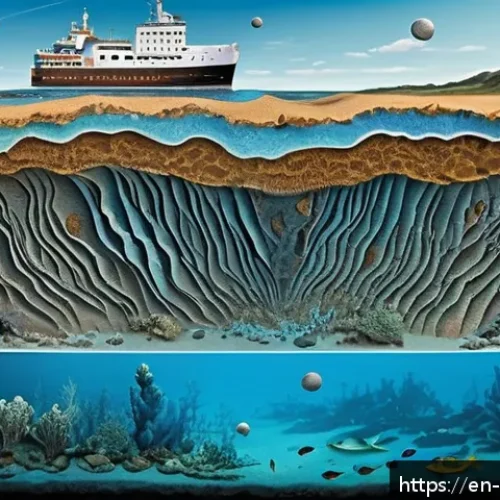
Have you ever wondered what stories lie hidden beneath the ocean floor? As climate change accelerates and marine ecosystems face unprecedented challenges, understanding marine sediments has never been more crucial.

These underwater layers act as time capsules, revealing vital clues about Earth’s past environments and helping predict future shifts. Today, we’re diving into the fascinating world of marine sediment research, uncovering how scientists unlock secrets that shape our knowledge of ocean health and global climate trends.
Stick around—this journey beneath the waves promises insights that could change how we see our planet’s future.
The Language of Layers: Decoding Marine Sediments
What Marine Sediments Tell Us About Past Climates
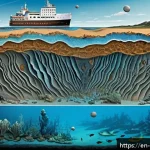
Marine sediments are like Earth’s diary entries, carefully recording snapshots of climate conditions over millions of years. When I first explored sediment cores, I was amazed at how scientists can read temperature changes, ice ages, and even volcanic eruptions from tiny particles buried deep under the ocean floor.
These sediments trap chemical signatures such as isotopes, which reveal shifts in ocean temperature and salinity. For example, oxygen isotope ratios in foraminifera shells offer clues to past ice volume and sea surface temperatures, essentially letting us reconstruct ancient climate events with remarkable precision.
This ability to peer back in time helps us understand how the planet responded to natural climate shifts, which is invaluable for predicting future trends amid human-driven change.
The Role of Sediment Composition in Ecosystem Health
Beyond climate, the makeup of sediments directly influences marine ecosystems. Sediments rich in organic material support diverse benthic communities, while sandy or silty layers might favor different species altogether.
During a field trip, I observed how variations in sediment grain size affected the distribution of tiny bottom-dwelling organisms, which in turn impact nutrient cycling and food webs.
Pollution and runoff can alter sediment composition, leading to dead zones or harmful algal blooms. By analyzing sediment layers, researchers track not only natural changes but also human impacts on ocean health, providing a clearer picture of ecosystem resilience and vulnerabilities.
Tracking Ocean Currents and Geological Activity Through Sediments
Marine sediments don’t just tell stories about climate and biology—they also map the movement of ocean currents and geological events. Sediment deposition patterns reveal shifts in currents that affect heat distribution across the globe.
For instance, changes in sediment layers off the Atlantic coast indicate variations in the Gulf Stream strength, which has profound implications for regional climates.
Additionally, sediments capture evidence of underwater earthquakes and landslides, offering clues about tectonic activity. Understanding these dynamics helps scientists anticipate natural hazards and comprehend the ocean’s role in the Earth system.
Tools and Techniques: How Scientists Study the Seafloor’s Secrets
Core Sampling: Extracting Time Capsules from the Deep
Core sampling remains one of the most effective ways to study marine sediments. I remember my first experience aboard a research vessel where the team deployed a giant coring device that drilled into the seabed, pulling up cylindrical columns of sediment layers.
Each layer represents a distinct time period, allowing scientists to analyze chemical, biological, and physical characteristics in chronological order.
Advances in technology now enable longer, more precise cores, revealing histories spanning millions of years. These cores are analyzed using microscopes, chemical assays, and radiometric dating, turning raw sediment into rich scientific narratives.
Remote Sensing and Underwater Vehicles
While core sampling offers direct evidence, remote sensing technologies and underwater drones complement sediment research by providing broader spatial context.
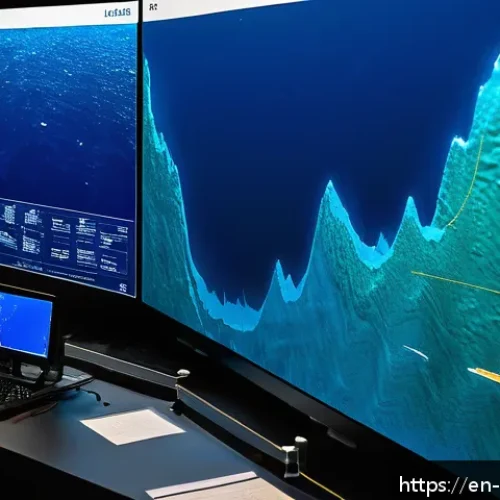
Side-scan sonar and sub-bottom profilers map sediment distribution and thickness over large areas, revealing underwater landscapes like submarine canyons and sediment fans.
Autonomous underwater vehicles (AUVs) equipped with sensors can collect data in previously inaccessible regions, capturing real-time sediment composition and movement.
These tools have revolutionized marine geology, enabling more comprehensive and less invasive studies.
Laboratory Analysis and Geochemical Techniques
Back on land, sediment samples undergo rigorous laboratory testing. Techniques such as X-ray diffraction identify mineral content, while mass spectrometry detects trace metals and isotopes that indicate pollution levels or past ocean chemistry.
I’ve seen firsthand how combining geochemical analysis with biological markers paints a detailed picture of past environmental conditions. These multidisciplinary approaches require collaboration between geologists, chemists, and biologists, underscoring the complexity and richness of marine sediment research.
Interpreting Sediment Data: Challenges and Breakthroughs
Dealing with Sediment Disturbance and Dating Uncertainties
One of the trickiest aspects of sediment research is ensuring data accuracy despite natural disturbances. Sediments can be reworked by currents, bioturbation (organisms burrowing), or seismic activity, mixing layers and complicating timelines.
When I discussed these challenges with researchers, they highlighted how advanced statistical models and multiple dating methods, like radiocarbon and lead-210 dating, help cross-verify sediment ages.
These strategies increase confidence in reconstructed timelines but require careful interpretation and constant methodological refinement.
New Discoveries from Ancient Sediments
Recent studies have uncovered astonishing details from sediments once thought too disturbed or sparse to analyze. For example, researchers have identified ancient methane hydrate releases from sediment layers, shedding light on past greenhouse gas emissions and their climate impact.
Discoveries like these are reshaping our understanding of feedback loops in the Earth system. It’s exciting to think that even well-studied sediment cores can surprise us with new information, showing how dynamic and evolving this field remains.
Integrating Sediment Research with Climate Models
Sediment data plays a crucial role in improving climate models. By feeding empirical evidence from sediment cores into simulations, scientists refine predictions about ocean circulation, carbon cycling, and sea level rise.
I’ve seen presentations where sediment-based reconstructions helped explain discrepancies between model outputs and observed climate patterns. This synergy between data and models enhances our ability to forecast future scenarios more reliably, which is critical for policymakers and conservation efforts.
Human Impact Reflected in the Ocean’s Bed

Pollution Signatures in Sediment Layers
Marine sediments act like a ledger of human impact, recording contaminants such as heavy metals, microplastics, and organic pollutants. During a coastal study, I witnessed how sediment analysis revealed elevated mercury levels linked to industrial discharge decades ago, still lingering in the seabed.
These pollutants affect benthic organisms and can bioaccumulate up the food chain, eventually impacting human health. Tracking these signatures helps identify pollution sources and assess the effectiveness of environmental regulations.
Climate Change and Sediment Alterations
Rising sea temperatures and ocean acidification influence sediment composition and deposition rates. For instance, warmer waters can increase organic matter decay, altering carbon burial efficiency in sediments.
I found it fascinating how shifts in sediment chemistry reflect these subtle but significant changes, serving as early warning signs of ecosystem stress.
Additionally, melting glaciers and increased erosion contribute more sediments to coastal zones, reshaping habitats and sediment dynamics.
Restoration and Conservation Efforts Guided by Sediment Studies
Understanding sediment dynamics is essential for marine restoration projects. Sediment stability affects coral reef health, seagrass beds, and mangrove growth.
In one restoration initiative I followed, sediment analysis guided the selection of sites less prone to erosion and pollution, increasing the chances of success.
Such knowledge helps balance human activities with ecosystem preservation, emphasizing the practical value of sediment research beyond academic curiosity.
Key Characteristics of Marine Sediments at a Glance
| Characteristic | Description | Environmental Significance |
|---|---|---|
| Grain Size | Ranges from clay (<0.004 mm) to sand (>0.0625 mm) | Affects water permeability and habitat suitability for benthic organisms |
| Organic Content | Amount of decomposed biological material | Indicates productivity and carbon sequestration potential |
| Mineralogy | Composition of minerals such as quartz, feldspar, calcite | Reflects sediment source and chemical environment |
| Isotopic Ratios | Ratios of oxygen, carbon, and other isotopes | Used to reconstruct past temperature, ice volume, and ocean chemistry |
| Pollutant Concentrations | Presence of heavy metals, microplastics, organic contaminants | Indicates human impact and environmental health risks |
The Future of Marine Sediment Research
Emerging Technologies and Big Data Integration
The future holds exciting prospects with artificial intelligence and machine learning applied to sediment data. I recently read about projects combining satellite data, sediment core analyses, and oceanographic sensors to create comprehensive models of sediment dynamics.
These approaches enable faster data processing and uncover subtle patterns previously overlooked. The integration of big data promises to accelerate discoveries and deepen our understanding of ocean systems.
Citizen Science and Public Engagement
Involving the public in sediment research is gaining momentum. Community-driven sediment sampling programs and educational outreach help raise awareness about ocean health and climate change.
I’ve participated in beach sediment monitoring events where volunteers collected samples to track microplastic pollution trends. This engagement not only expands data collection but also empowers people to connect with marine science personally.
Global Collaboration for Ocean Sustainability
Marine sediment research is inherently global, requiring cooperation across nations to monitor and protect ocean resources. International programs like the International Ocean Discovery Program (IODP) facilitate deep-sea drilling expeditions and data sharing.
I’ve witnessed how scientists from diverse backgrounds bring complementary expertise to tackle complex questions about Earth’s history and future. Such collaboration is vital for developing effective policies that safeguard our planet’s blue heart.
Conclusion
Marine sediments offer a remarkable window into Earth’s past, revealing invaluable insights about climate, ecosystems, and geological processes. Through advanced techniques and interdisciplinary collaboration, scientists continue to unlock secrets buried beneath the ocean floor. This ongoing research not only enriches our understanding of natural history but also equips us to better address current environmental challenges. Embracing these discoveries helps pave the way for a more sustainable relationship with our planet’s oceans.
Helpful Information to Know
1. Marine sediment cores act as natural archives, preserving chronological records of environmental changes over millions of years.
2. Sediment composition directly influences marine life by affecting habitat conditions and nutrient cycling.
3. Modern tools like underwater drones and remote sensing technologies provide broader context and accessibility for sediment research.
4. Accurate dating and disturbance analysis are critical for reliable interpretation of sediment data.
5. Human activities leave distinct pollutant signatures in sediments, highlighting the importance of monitoring ocean health.
Key Takeaways
Understanding marine sediments requires a multidisciplinary approach that integrates geology, chemistry, and biology to reveal Earth’s environmental history. Despite challenges such as sediment mixing and dating uncertainties, technological advances and global collaboration have significantly improved data accuracy and interpretation. Sediment research is essential for refining climate models, tracking human impacts, and guiding conservation efforts, making it a cornerstone of ocean sustainability science.
Frequently Asked Questions (FAQ) 📖
Q: What are marine sediments, and why are they important for climate research?
A: Marine sediments are layers of particles like sand, mud, and organic matter that settle on the ocean floor over thousands or even millions of years. They act as natural archives, preserving evidence of past ocean conditions, climate changes, and biological activity.
By studying these sediments, scientists can reconstruct Earth’s climate history, track how marine ecosystems responded to past warming or cooling events, and improve predictions about future climate trends.
From my experience, analyzing sediment cores feels like reading Earth’s diary—each layer tells a unique story that helps us understand how our planet has evolved.
Q: How do scientists collect and analyze marine sediment samples?
A: Researchers typically use specialized equipment like gravity corers or piston corers to retrieve sediment cores from the ocean floor. These tools gently extract long cylindrical samples without disturbing the layers.
Once on board a research vessel, scientists examine the sediments’ physical properties, chemical composition, and fossil content. Techniques such as radiocarbon dating help determine the age of each layer, while microscopic analysis can identify tiny organisms trapped within.
From what I’ve seen in documentaries and firsthand accounts, this process requires patience and precision—every detail matters to decode the sediment’s message accurately.
Q: How can studying marine sediments help us address current environmental challenges?
A: Understanding marine sediments offers crucial insights into how oceans and climate systems have changed in the past, which is essential for tackling today’s environmental issues.
For instance, sediments reveal patterns of ocean acidification, temperature shifts, and nutrient cycles that impact marine life. This knowledge helps scientists predict how ecosystems might respond to ongoing climate change, guiding conservation efforts and policy decisions.
When I reflect on this, it’s clear that marine sediment research isn’t just about the past—it’s a vital tool shaping sustainable solutions for our planet’s future.