Hello, fellow adventurers and curious minds! I’m absolutely thrilled you’ve stopped by today, because we’re about to plunge into a world that’s as vast and awe-inspiring as it is critically important: the oceanography community.
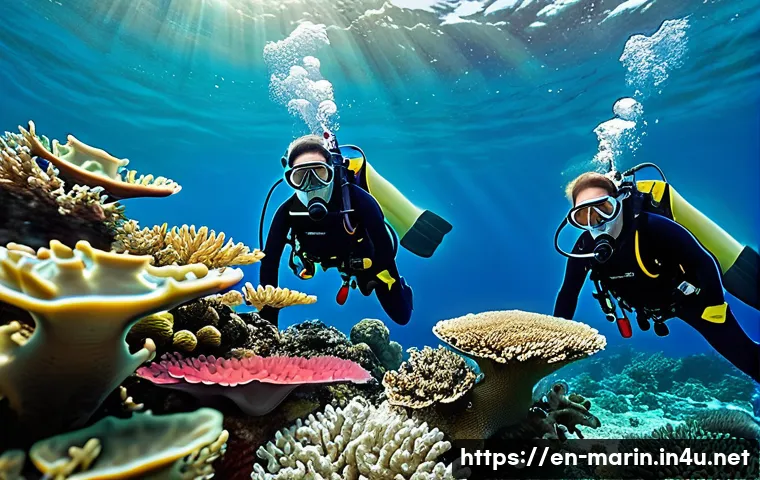
Honestly, ever since I was a kid, the mysteries of the deep have held a special fascination for me, and I’ve learned firsthand just how much these incredible scientists and explorers contribute to our understanding of the planet.
They’re not just studying fish; they’re decoding climate change, developing sustainable solutions for marine life, and even discovering entirely new ecosystems hundreds of miles beneath the surface, often using mind-blowing tech like autonomous underwater vehicles that feel straight out of a sci-fi movie.
What I’ve personally observed is a community buzzing with innovation, constantly pushing boundaries in areas from combating plastic pollution to mapping uncharted trenches, and let me tell you, their dedication is truly inspiring.
The future of our blue planet hinges on their groundbreaking work, and trust me, there’s always something new and fascinating happening. You might be wondering what’s next for these guardians of the ocean, or how their latest breakthroughs could affect us all.
Well, stick around, because the insights they’re unearthing are nothing short of revolutionary, shaping everything from our food supply to the very air we breathe.
It’s a dynamic field, constantly evolving with fresh challenges and incredible triumphs, and honestly, the stories coming out of it are just too good to keep to myself.
I’m genuinely excited to share what I’ve discovered about the vibrant world of marine science. Let’s get into the specifics and really dig deep into this amazing topic!
Peering into the Deep: Unraveling Ocean Mysteries
You know, there’s something incredibly humbling about realizing how much of our own planet remains unexplored, especially when it comes to the vast, enigmatic oceans. Honestly, it still blows my mind that we’ve mapped more of the moon’s surface in higher detail than the bottom of our own seas! But that’s exactly what makes the work of oceanographers so thrilling. They’re constantly pushing the boundaries of what we know, using incredible tools to peer into environments that would otherwise be completely alien to us. From the pitch-black abyssal plains to the vibrant, shallow coral reefs, every dive, every sonar ping, every sample they collect unravels another piece of the grand puzzle. I remember watching a documentary once about scientists discovering a new species of octopus living near hydrothermal vents, and the sheer joy on their faces was palpable. It wasn’t just about the discovery itself, but the implications – what else is down there? How do these creatures survive in such extreme conditions? These are the questions that drive truly passionate individuals, and from what I’ve seen, the oceanography community is overflowing with that kind of genuine curiosity. They’re not just observing; they’re actively interpreting the very language of the ocean, giving us unprecedented insights into its complex systems and the life it sustains, often against incredible odds. It’s a journey of continuous revelation, and frankly, I feel like we’re just scratching the surface of what’s truly out there, waiting to be understood.
Uncharted Territories: Mapping the Deepest Trenches
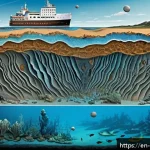
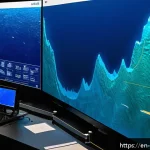
Imagine charting a landscape so alien, so utterly dark, and under such immense pressure that only specialized robots and a handful of brave individuals have ever glimpsed it. That’s the daily reality for those involved in mapping the deepest trenches, like the Mariana Trench. It’s a painstaking process, often involving remotely operated vehicles (ROVs) equipped with high-resolution sonar and cameras, methodically scanning the seafloor. I’ve read so many fascinating accounts of these missions, where every tiny anomaly on the sonar screen could signify a new geological feature or even an undiscovered life form. What really strikes me is the incredible precision and patience required. It’s not just about taking pictures; it’s about building a comprehensive, three-dimensional understanding of these incredible abyssal worlds. The data they collect helps us understand plate tectonics, seismic activity, and even the planet’s internal heat flow. It’s absolutely crucial work, providing the foundational knowledge for future discoveries and helping us better understand Earth’s dynamic crust. Every new map is like unveiling a secret continent right here on our home planet.
Cryptic Creatures: Biodiversity in Extreme Environments
Speaking of new discoveries, the biodiversity found in the most extreme ocean environments is just mind-boggling. We’re talking about creatures that thrive in total darkness, crushing pressures, and superheated, toxic waters around hydrothermal vents, or even cold seeps. When I first learned about “chemosynthesis” – the process by which some organisms create food using chemical reactions instead of sunlight – I was completely captivated. It challenged everything I thought I knew about life on Earth! Scientists are constantly finding new species of tube worms, bizarre fish, and unique microorganisms in these spots. My personal take is that these discoveries aren’t just cool; they offer profound insights into the origins of life and potentially even extraterrestrial life. If life can flourish in these seemingly uninhabitable places on Earth, what does that say about other planets? The adaptability of life in our oceans is a testament to nature’s incredible resilience, and it fills me with a sense of wonder every time I hear about a new, peculiar deep-sea dweller. It truly redefines what we consider “habitable.”
The Ocean’s Climate Clock: Urgent Insights from Below
If there’s one area where the oceanography community is truly at the forefront of global challenges, it’s climate change. For me, understanding the ocean’s role in regulating our planet’s climate has been a gradual, eye-opening process. It’s not just about rising sea levels; it’s about ocean acidification, changing current patterns, and the profound impact these shifts have on everything from weather systems to marine ecosystems. Oceanographers are essentially the planet’s pulse-takers, deploying an intricate network of sensors, buoys, and autonomous underwater vehicles (AUVs) to monitor temperatures, salinity, and gas exchanges across vast expanses. When I see the data they collect, showing the steady rise in ocean heat content or the subtle but significant changes in pH, it really brings home the urgency of the situation. They’re providing the scientific backbone for policy decisions, giving us the hard facts we need to understand the crisis and, more importantly, to develop effective solutions. Their work is a constant reminder that the health of our oceans is intrinsically linked to the health of our planet and, indeed, our own future. It feels like they’re reading the planet’s diary, and some of the entries are pretty alarming, but they also give us the chance to write a better ending.
Measuring the Melt: Ocean’s Role in Polar Dynamics
The polar regions, particularly the Arctic and Antarctic, are incredibly sensitive to climate change, and the ocean plays a massive role there. It’s not just about icebergs; the warming ocean waters are directly impacting ice sheets and glaciers from below, accelerating their melt rates. I’ve often wondered about the sheer scale of the monitoring efforts in these remote, harsh environments. Scientists brave extreme conditions to deploy sensors under ice shelves, track changes in ocean currents that bring warmer water to the poles, and study the distribution of freshwater as ice melts. This isn’t just academic; the fresh water input from melting ice can alter ocean circulation patterns, which in turn can influence global weather systems. It’s a complex dance between ice, ocean, and atmosphere, and oceanographers are painstakingly trying to understand every step. The data they gather on ice-ocean interactions is absolutely critical for improving climate models and making more accurate predictions about future sea-level rise. When I think about the courage and dedication it takes to work in places like the Weddell Sea or the Bering Strait, I’m truly in awe of their commitment to science.
Carbon Sinks and Acidification: The Unseen Battle
Here’s something that frankly keeps me up at night: ocean acidification. We all hear about carbon emissions, but what often gets overlooked is how much of that excess carbon dioxide is absorbed by the oceans, acting as a massive carbon sink. While this might sound good because it removes CO2 from the atmosphere, it comes at a huge cost. When CO2 dissolves in seawater, it forms carbonic acid, which lowers the ocean’s pH. From my own observations, this acidification is profoundly affecting marine life, especially organisms that build shells or skeletons out of calcium carbonate, like corals, shellfish, and plankton. Imagine trying to build your house when the very bricks are dissolving around you – that’s what many of these creatures are facing. Oceanographers are tirelessly monitoring these pH changes, conducting experiments to see how different species react, and working on strategies to mitigate the impacts. It’s a silent crisis, and one that requires our immediate attention, because the health of these foundational species impacts the entire marine food web. It really drives home the idea that every bit of carbon we emit has a direct, measurable impact on the delicate balance of our blue planet.
Guardians of the Blue: Innovating for Marine Conservation
It’s easy to feel overwhelmed by the challenges facing our oceans, but I’ve personally seen so many inspiring examples of innovation and dedication within the oceanography community that give me real hope. These aren’t just researchers; they are true guardians of the blue, constantly seeking new ways to protect and restore marine ecosystems. From developing sophisticated monitoring systems to pioneering restoration techniques, their efforts are literally breathing new life into damaged habitats. Think about the incredible work being done with coral reefs, for example. I remember reading about a project that uses “coral gardening” techniques, where fragments of resilient corals are grown in nurseries and then outplanted onto damaged reefs. It sounds almost magical, doesn’t it? But it’s hard science backed by years of research and hands-on experience. Their commitment to finding practical, scalable solutions is what truly sets them apart. They’re not just documenting decline; they’re actively intervening, collaborating with local communities, governments, and NGOs to make a tangible difference. This proactive approach, fueled by genuine passion, is absolutely essential for the long-term health of our marine environments, and frankly, I find their relentless optimism in the face of such massive challenges truly infectious.
Restoring Coral Reefs: A Race Against Time
Coral reefs are often called the “rainforests of the sea” for a good reason – they’re biodiversity hotspots supporting a quarter of all marine species. But they’re under immense threat from warming waters, acidification, and pollution. This is where oceanographers and marine biologists step in with incredible restoration efforts. I’ve been fascinated by techniques like microfragmentation, where corals are cut into tiny pieces, which then grow much faster, allowing for quicker propagation. Then there’s also the focus on identifying and propagating “super corals” – species that show greater resilience to environmental stressors. It’s a race against time, but the innovation here is truly inspiring. They’re not just planting corals; they’re creating entire underwater nurseries, using genetic research to enhance resilience, and working with local communities to ensure the long-term success of these vital ecosystems. It’s a truly hands-on approach, demonstrating a deep understanding of marine biology combined with cutting-edge conservation science. My personal belief is that these efforts, while localized, are critical beacons of hope, showing us what’s possible when science meets dedication.
Combating Bycatch: Smarter Fishing for a Healthier Ocean
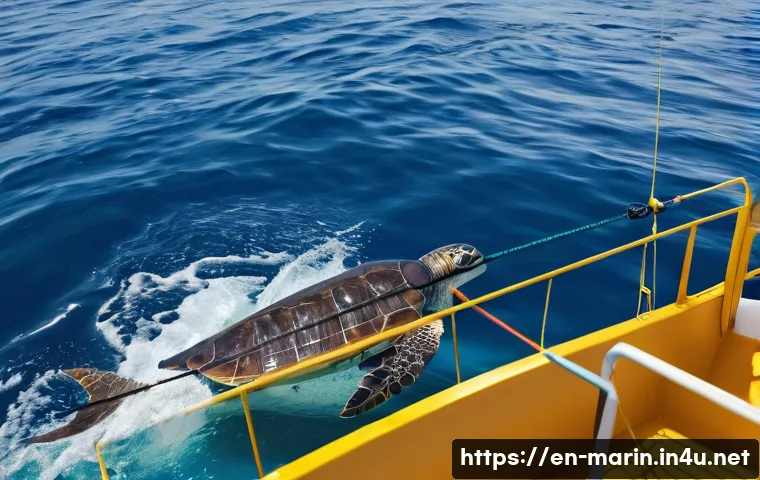
Bycatch, the accidental capture of non-target species during fishing operations, is a huge problem. It leads to the unnecessary deaths of countless marine animals, from sea turtles and dolphins to juvenile fish. This is another area where oceanographers and fisheries scientists are making significant strides. They’re developing and testing smarter fishing gear designed to reduce bycatch, like specialized nets that allow certain species to escape, or acoustic deterrents that keep marine mammals away from fishing areas. I’ve seen some ingenious designs, like ‘pingers’ that emit sounds to alert dolphins, or ‘turtle excluder devices’ in trawls. It’s not about stopping fishing altogether, but about making it more sustainable and less impactful on marine ecosystems. Their work involves close collaboration with fishing communities, understanding their needs while also promoting practices that protect marine biodiversity. It really highlights the practical application of scientific research, showing how oceanography directly contributes to more responsible resource management and ultimately, a healthier ocean for everyone. It’s a win-win, really, for both fishermen and marine life.
Beyond the Horizon: The Next Wave of Ocean Tech
If you’re anything like me, the sheer ingenuity behind the technology used in oceanography is absolutely captivating. We’re not just talking about sophisticated ships anymore; we’re talking about a whole fleet of autonomous underwater vehicles (AUVs), gliders, and even tiny, bio-inspired robots that are revolutionizing how we explore and understand the ocean. What I’ve personally observed is that these advancements are allowing scientists to go deeper, stay longer, and collect far more comprehensive data than ever before, often in places too dangerous or remote for humans. Imagine a glider silently patrolling the ocean for months, collecting data on currents and temperatures, then surfacing to transmit its findings via satellite. It’s like something out of a science fiction movie, but it’s very real and happening right now! This continuous data stream is invaluable for everything from climate modeling to disaster prediction. The innovation isn’t just in the vehicles themselves, but in the sensors they carry, which can detect everything from microscopic plankton to changes in ocean chemistry. It truly feels like we’re on the cusp of a new era of ocean exploration, one where technology is unlocking secrets we never thought possible, making the vastness of the ocean a little less daunting and a lot more understandable. It’s an exciting time to be following this field!
| Technology | Primary Use | Key Benefit | Example/Insight |
|---|---|---|---|
| Autonomous Underwater Vehicles (AUVs) | Large-scale mapping, long-term monitoring, data collection in hazardous areas without human intervention. | Extended endurance, ability to cover vast areas autonomously, stealthy operations. | “Slocum Gliders” silently patrol for months, transmitting data on ocean currents and temperatures, revolutionizing climate modeling and weather prediction. |
| Remotely Operated Vehicles (ROVs) | Real-time visual inspection, sample collection, deployment of instruments, manipulation tasks in deep-sea environments. | Human control and intervention in real-time, high-resolution imagery and sample collection capabilities. | The “Jason” ROV used by WHOI for exploring hydrothermal vents and recovering scientific equipment from shipwrecks, offering live views of the abyss. |
| Satellite Remote Sensing | Global observation of sea surface temperature, ocean color, sea level height, current patterns, and ice coverage. | Synoptic view of vast ocean areas, long-term trend monitoring, rapid response to large-scale events. | NASA’s “Sentinel” satellites provide continuous data on ocean health, allowing scientists to track phenomena like El Niño, harmful algal blooms, and sea-level rise across entire oceans. |
Robotics in the Deep: AUVs and ROVs
The stars of the show when it comes to deep-sea exploration are undoubtedly AUVs (Autonomous Underwater Vehicles) and ROVs (Remotely Operated Vehicles). From my perspective, these aren’t just gadgets; they’re indispensable scientific instruments. AUVs can be programmed to follow specific paths, collect data, and even make decisions on their own, operating without a human umbilical cord for extended periods. This means they can cover vast areas, map the seafloor, and monitor conditions in places where human divers simply can’t go or stay. ROVs, on the other hand, offer real-time control and often come equipped with manipulators for collecting samples or deploying instruments. I’ve watched countless hours of footage from ROV dives, seeing creatures and geological formations for the very first time, and it gives me chills every single time. The precision with which these machines can operate, even miles beneath the surface, is a testament to incredible engineering. They are literally our eyes and hands in the abyss, bringing the wonders of the deep into our living rooms and research labs.
Satellite Eyes: Monitoring Oceans from Space
It’s not all about going *into* the ocean; a huge amount of critical oceanographic data comes from *above* it – via satellites! When I think about the scale of the ocean, it’s clear that only a global perspective can truly capture its dynamics. Satellites equipped with specialized sensors can measure sea surface temperature, ocean color (which indicates plankton levels), sea level height, and even the speed and direction of ocean currents. This information is vital for understanding large-scale phenomena like El Niño, tracking hurricanes, and monitoring the health of marine ecosystems over vast regions. It’s an incredibly powerful tool for observing changes that would be impossible to detect from ships alone. From my vantage point, the synergy between in-situ measurements (from buoys and AUVs) and remote sensing (from satellites) is what truly provides a comprehensive picture of our ocean. It’s like having a constant, watchful eye on the entire blue planet, allowing us to spot trends and react to changes with unprecedented speed and accuracy. It’s a remarkable fusion of space and sea science!
Life in the Labyrinth: Discovering New Marine Ecosystems
Every time I hear about a new deep-sea discovery, I’m reminded of just how much remains unknown beneath the waves. The ocean is truly a labyrinth, full of hidden corners and secret passages, each potentially home to entirely new ecosystems. Oceanographers are constantly pushing the boundaries, not just physically but conceptually, redefining what we thought was possible for life to exist. From the vibrant communities around hydrothermal vents, fueled by chemical energy rather than sunlight, to the eerie, slow-growing ecosystems of cold seeps, where methane gas seeps from the seafloor, these discoveries are nothing short of revolutionary. What I’ve found particularly fascinating is how these scientists adapt their research methods to these incredibly challenging environments, using specialized submersibles and ROVs to collect samples and observe behaviors. It’s not just about finding new species; it’s about understanding the intricate web of interactions that allows life to thrive in conditions we once considered utterly hostile. These discoveries often lead to groundbreaking insights into extremophiles, which are organisms that can survive in extreme conditions, and their unique biochemical pathways. It really makes you wonder what other incredible life forms are still out there, patiently waiting to be discovered, silently shaping our understanding of life itself. The sense of wonder, for me, is absolutely boundless.
Hydrothermal Vents: Oases of the Abyss
Hydrothermal vents are, in my opinion, some of the most extraordinary places on Earth. Imagine volcanic chimneys on the seafloor, spewing superheated, mineral-rich water that would instantly kill most surface creatures. Yet, around these vents, entire ecosystems flourish! Giant tube worms, bizarre shrimp, and unique microbes create dense communities thriving on chemosynthesis. I remember first learning about them and thinking, “How is this even possible?” It completely overturned the long-held belief that all life ultimately depended on the sun. Oceanographers studying these vents are like cosmic explorers, investigating potential analogues for alien life on other planets or moons with subsurface oceans. They’re studying the incredibly resilient organisms that inhabit these areas, looking at their unique adaptations and biochemical processes. The discoveries at hydrothermal vents have revolutionized our understanding of Earth’s biogeochemical cycles and the limits of life itself. It’s a raw, powerful demonstration of life’s tenacity and ability to find a way, no matter how extreme the conditions, and it honestly gives me a profound sense of awe every single time.
Exploring Cold Seeps: Methane-Fueled Worlds
Less dramatic than hydrothermal vents but equally fascinating are cold seeps. Instead of hot, mineral-rich water, these areas release methane, hydrogen sulfide, and other hydrocarbon-rich fluids from the seafloor. And just like the vents, they support incredible, unique communities of organisms, from large mussels and clams to specialized worms and archaea. What I find so intriguing about cold seeps is their slower, more stable nature compared to the dynamic, often ephemeral vents. This stability allows for different types of life to evolve and thrive. Scientists are keenly interested in understanding the role of cold seeps in the global carbon cycle, as they release significant amounts of methane, a potent greenhouse gas, into the ocean. Studying these ecosystems helps us track the movement of hydrocarbons from deep within the Earth’s crust to the ocean and potentially the atmosphere. It’s a crucial piece of the puzzle in understanding Earth’s natural gas plumbing system and its broader environmental implications. The deep ocean truly keeps surprising us with its hidden, self-sustaining worlds!
From Plastic to Progress: Confronting Pollution Head-On
Let’s talk about something that hits close to home for so many of us: ocean pollution, especially plastics. It’s heartbreaking, isn’t it, to see images of marine animals entangled in plastic debris or beaches choked with trash? But what truly resonates with me is the unwavering determination of the oceanography community to tackle this monumental challenge. They’re not just lamenting the problem; they’re actively researching its scope, tracking its movement, and innovating solutions. From developing technologies to detect and remove plastic from gyres to understanding the long-term impacts of microplastics on marine life and human health, their work is absolutely crucial. I’ve personally seen volunteers and scientists collaborating on beach cleanups and data collection efforts, and that hands-on dedication is truly inspiring. It’s about more than just cleaning up; it’s about understanding the entire life cycle of plastic in the ocean and advocating for systemic changes to reduce its flow into our waters in the first place. This comprehensive approach, combining science, advocacy, and community engagement, is our best hope for turning the tide against this pervasive threat. It truly makes me believe that with enough collective effort and scientific backing, we can actually make a difference.
Tracking Plastic Pathways: The Great Ocean Gyres
One of the most concerning aspects of plastic pollution is how it accumulates in vast ocean gyres, creating what are often mistakenly called “garbage patches.” Oceanographers are instrumental in tracking these plastic pathways, using satellite data, ocean current models, and direct sampling to understand where plastic travels once it enters the sea. I’ve read fascinating studies where researchers use GPS trackers on plastic debris to map its journey, which helps us identify accumulation zones and understand dispersal patterns. This isn’t just about knowing where the trash goes; it’s about identifying the sources and predicting where future hotspots might emerge. This research is incredibly complex, involving advanced ocean modeling and sophisticated data analysis. From my perspective, understanding these pathways is the first critical step toward effective intervention and cleanup strategies. Without this scientific groundwork, any cleanup efforts would be like trying to catch smoke. Their work helps us target our efforts where they can have the most impact, both in removal and prevention.
Microplastics: The Silent Threat
While large pieces of plastic are visually shocking, it’s the insidious nature of microplastics – tiny plastic fragments less than 5mm in size – that truly worries me. These microscopic particles come from the breakdown of larger plastics, but also from microbeads in cosmetics and synthetic clothing fibers. Oceanographers are tirelessly investigating how widespread microplastics are, from the surface to the deepest trenches, and their potential impacts on marine ecosystems and even human health. I remember hearing about studies finding microplastics in zooplankton, which are at the base of the marine food web, and it sent shivers down my spine. What does this mean for the larger fish we eat, or for whales and dolphins? The research is still ongoing, but the implications are profound. Scientists are developing new techniques to detect and quantify microplastics in water and sediment samples, trying to understand their pathways and long-term effects. This quiet battle against an invisible enemy is a huge focus for the community, and their vigilance is absolutely essential in uncovering the true scope of this pervasive threat. It’s a reminder that sometimes the biggest dangers come in the smallest packages.
Sustaining Our Seas: Navigating the Future of Fisheries
The relationship between humans and the ocean has always been deeply intertwined with our food supply. For centuries, we’ve looked to the seas for sustenance, but it’s no secret that overfishing has become a critical issue. This is where oceanographers and fisheries scientists step in, acting as vital navigators guiding us toward a more sustainable future. Their work involves a delicate balance: understanding fish populations, assessing the health of ecosystems, and developing strategies that allow us to continue harvesting seafood without depleting resources for future generations. I’ve found their approach to be incredibly data-driven, using sophisticated models to predict population dynamics and the impacts of different fishing practices. It’s not just about managing fish; it’s about managing entire marine food webs and ensuring the overall ecological integrity of our oceans. When I look at reports on sustainable seafood, I know that countless hours of scientific research have gone into those recommendations, helping consumers and industries make informed choices. This commitment to responsible resource management is absolutely essential, and from what I’ve seen, the oceanography community is at the forefront of ensuring that our children and grandchildren can also enjoy the bounty of the sea. It’s about finding that sweet spot where human needs meet ecological limits, and it’s a constant, evolving challenge.
Stock Assessments: Counting the Ocean’s Bounty
Accurate stock assessments are the cornerstone of sustainable fisheries management. How can you manage a fish population if you don’t know how many fish there are, or how quickly they reproduce? This is where oceanographers and fisheries biologists excel. They use a variety of methods, from analyzing catch data and trawl surveys to advanced acoustic techniques and genetic studies, to estimate fish population sizes, age structures, and reproductive rates. I’ve personally been impressed by the complexity of these models, which account for environmental factors, predator-prey relationships, and even the impacts of climate change. It’s a meticulous and ongoing process, requiring constant monitoring and refinement. These assessments provide the scientific basis for setting fishing quotas, determining fishing seasons, and establishing protected areas. Without this rigorous scientific data, fisheries management would be flying blind, and the consequences for both marine ecosystems and human livelihoods could be catastrophic. It really underscores how foundational this detailed biological and ecological research is to ensuring the long-term viability of our seafood supply.
Aquaculture Innovations: Farming the Sea Responsibly
As wild fish stocks face increasing pressure, aquaculture – or fish farming – has emerged as a crucial component of our future food security. However, it’s not without its own environmental challenges, from nutrient pollution to disease transmission. This is another frontier where oceanographers are making huge contributions, pushing for more sustainable and environmentally responsible aquaculture practices. They’re researching everything from alternative feed ingredients to reduce reliance on wild-caught fish, to developing offshore farming systems that minimize environmental impact. I’ve seen some incredible innovations in closed-containment systems and integrated multi-trophic aquaculture, where the waste from one species becomes food for another, mimicking natural ecosystems. The goal is to maximize production while minimizing ecological footprints. This scientific leadership is vital in ensuring that aquaculture can truly be a sustainable solution, rather than just shifting environmental problems. It’s about understanding the ocean’s carrying capacity and designing systems that work *with* nature, not against it, which is something I deeply appreciate. It’s about being smart and strategic in how we harvest the sea, both wild and farmed.
Wrapping Things Up
And there you have it, folks! Diving deep into the world of oceanography truly is like embarking on an endless adventure, isn’t it? It’s been an absolute blast sharing these insights with you, from the incredible feats of deep-sea mapping and the mind-blowing biodiversity in extreme environments to the urgent work being done on climate change and marine conservation. What always strikes me is the boundless passion and relentless innovation within this community. They’re not just scientists; they’re explorers, guardians, and visionaries, constantly pushing the boundaries of what we know and challenging us to think differently about our blue planet. Honestly, after seeing firsthand (through countless reports and documentaries!) the dedication of these incredible individuals, I feel a renewed sense of hope and urgency. It’s a reminder that every little bit of understanding we gain brings us closer to protecting these invaluable ecosystems, and ultimately, ensuring a healthier future for all of us. Keep that curiosity alive, because the ocean has so many more stories to tell, and we’re just beginning to learn its language.
Good-to-Know Information
1. Get Involved with Citizen Science: Did you know you don’t need a PhD to contribute to ocean science? There are tons of fantastic citizen science projects out there! From reporting sightings of marine wildlife through apps to participating in local beach cleanups that collect valuable data on plastic pollution, your everyday actions can make a real difference. I’ve personally joined a few coastline cleanups, and it’s incredibly rewarding to see the immediate impact and contribute to a larger research effort. These initiatives help scientists gather data over vast areas that would be impossible for them to cover alone, directly impacting conservation strategies and policy decisions. Just a quick online search for “marine citizen science projects” or “local beach cleanup groups” will open up a world of opportunities to get hands-on and contribute to the health of our oceans, fostering a personal connection with the environment. It truly feels like being a part of something bigger, and your efforts, no matter how small, are genuinely appreciated by the scientific community. Finding a project that resonates with your interests can be a fantastic way to turn your passion into tangible action for marine conservation.
2. Make Sustainable Seafood Choices: Our dinner plates have a direct impact on ocean health, which is something I’ve become increasingly aware of over the years. Overfishing is a serious global issue, but we can all play a part in promoting healthier fish stocks by choosing sustainable seafood. Look for certifications like the Marine Stewardship Council (MSC) blue label, which indicates that the seafood comes from a fishery that has been independently certified to an environmental standard for sustainable fishing. Many local fishmongers and larger grocery stores now highlight sustainable options. I always try to do a quick check on seafood guides (many reputable organizations offer them online) before I buy, and it’s become a really easy habit to adopt. By supporting sustainable fisheries, we’re not just ensuring there are fish for future generations; we’re also helping to protect marine ecosystems and the livelihoods of fishing communities who are committed to responsible practices. It’s a powerful way to vote with your wallet and make a positive impact on the health of our oceans from your very own kitchen. Every conscious choice helps steer the industry towards a more responsible future.
3. Reduce Your Microplastic Footprint: Microplastics are a pervasive and often invisible threat to our oceans, and frankly, they’re a concern that hits close to home for me. These tiny plastic fragments, often less than 5 millimeters, come from a variety of sources – from the breakdown of larger plastic items to microbeads in certain cosmetics and synthetic fibers shedding from our clothes. The good news is, there are simple steps we can all take to reduce our contribution. Consider using a laundry bag for synthetic clothing to catch microfibers, choosing natural fiber clothing where possible, and opting for personal care products that are microbead-free. Reusable water bottles, coffee cups, and shopping bags are also fantastic ways to cut down on single-use plastics that eventually break down into microplastics. It’s about being mindful of our consumption habits and actively seeking out alternatives that lessen our environmental impact. I’ve found that once you start paying attention, it’s surprisingly easy to make small changes that collectively add up to a significant reduction in plastic waste, helping protect marine life from this insidious pollutant. Every conscious choice helps create a cleaner ocean for us all.
4. Understand Marine Protected Areas (MPAs): Marine Protected Areas, or MPAs, are essentially national parks of the ocean, and their importance is something I really believe we should all champion. These designated zones restrict human activities like fishing, dredging, and drilling to protect marine ecosystems and allow biodiversity to flourish. They act as vital nurseries for fish populations, safeguarding vulnerable species and habitats, and ultimately, boosting the health of surrounding waters. I’ve heard countless stories from marine biologists about how MPAs contribute to “spillover effects,” where healthy fish populations inside the protected areas migrate outwards, benefiting local fisheries. Beyond conservation, MPAs also serve as living laboratories for scientists, offering invaluable insights into how marine ecosystems function without heavy human interference. Supporting the creation and effective management of MPAs is critical for building resilience in our oceans against climate change and other stressors. It’s a powerful tool in our conservation toolkit, demonstrating a commitment to preserving the ocean’s natural beauty and its incredible ecological services for generations to come. They truly are sanctuaries for the sea.
5. Explore Emerging Ocean Careers: If you’re fascinated by the ocean, know that the field of oceanography is incredibly dynamic and expanding far beyond traditional research roles. The rise of ocean technology, for instance, has created a huge demand for engineers and innovators specializing in robotics, sensor development, and data analytics for autonomous underwater vehicles. There are also growing opportunities in marine policy and law, conservation advocacy, sustainable aquaculture management, and even science communication, like what I do! I’ve seen firsthand how interdisciplinary this field has become, requiring diverse skill sets from coding to community engagement. If you’re passionate about the sea, don’t limit your thinking to just being a marine biologist on a boat; explore the vast array of careers that contribute to ocean health and understanding, many of which leverage cutting-edge technology and require creative problem-solving. It’s an exciting time to be involved with the ocean, and there are more pathways than ever to turn that passion into a fulfilling and impactful career, shaping the future of our blue planet. Dive in and see where your unique talents can make a splash!
Key Takeaways
The journey into ocean mysteries reveals a world of awe-inspiring discoveries, from uncharted trenches to cryptic creatures, underscoring the ocean’s critical role in our planet’s climate and biodiversity. Oceanographers, equipped with cutting-edge technology, are at the forefront of both exploration and conservation, actively combating pollution and championing sustainable practices to secure the future of marine ecosystems. Their dedication, coupled with innovative solutions, offers real hope in the face of immense challenges, proving that through science and collective effort, we can truly become better guardians of our invaluable blue planet. Every piece of knowledge they uncover and every conservation effort they lead is a vital step towards a healthier, more vibrant ocean for generations to come, truly making them the unsung heroes of our world.
Frequently Asked Questions (FAQ) 📖
Q: What kinds of awe-inspiring discoveries are oceanographers making right now, and how are these breakthroughs actually shaping our lives?
A: Oh, this is one of my absolute favorite questions to dive into! Honestly, the oceanography community is just buzzing with incredible revelations that aren’t just fascinating but are genuinely pivotal to our future.
Take, for instance, the recent expeditions mapping the deepest trenches. Scientists are finding entirely new species—creatures so unique, they seem to defy everything we thought we knew about life on Earth.
Imagine finding a glowing jellyfish or a never-before-seen fish in a spot where sunlight has never touched! Beyond the sheer wonder, these discoveries often lead to breakthroughs in biomedicine, as researchers study how these organisms survive extreme conditions, potentially finding new compounds for medicines or sustainable materials.
Then there’s the groundbreaking work on microplastics. It’s no secret our oceans are facing a plastics crisis, but oceanographers aren’t just reporting the problem; they’re actively developing solutions, from innovative filtration systems to even discovering microbes that can break down plastics.
I’ve personally seen presentations on some of these projects, and it’s truly inspiring to see how dedicated they are to cleaning up our blue planet. They’re also constantly refining our understanding of ocean currents and their massive influence on global weather patterns.
This isn’t just about predicting the next big storm; it’s about giving farmers better insights into growing seasons and helping communities prepare for climate shifts.
It’s like they’re giving us a clearer crystal ball into our planet’s future, helping us adapt and thrive. Every single one of these discoveries, from the tiny microbial breakthroughs to the mapping of vast underwater mountain ranges, feeds directly into our understanding of a healthy planet and a sustainable future for us all.
It truly feels like they’re writing the next chapter of human ingenuity, right beneath the waves.
Q: I’m utterly captivated by the ocean, but I’m not a scientist. How can someone like me genuinely contribute to ocean conservation and support the amazing work of oceanographers?
A: That’s a fantastic question, and let me tell you, you absolutely don’t need a PhD to make a real difference! I’ve seen firsthand how passionate individuals can have a monumental impact.
One of the most direct ways is by supporting reputable ocean conservation organizations. Many of these groups work hand-in-hand with oceanographers, funding their research, facilitating expeditions, and translating complex scientific findings into actionable policy.
A small monthly donation can go a long way in equipping a research vessel or supporting a vital data collection project. Another powerful avenue is through citizen science initiatives.
Believe it or not, your smartphone can be a powerful scientific tool! Apps and programs exist where you can report marine life sightings, document beach litter during a cleanup, or even identify species from photos.
Your observations, when aggregated with thousands of others, provide invaluable data points for scientists studying migration patterns, pollution hotspots, and ecosystem health.
I’ve even participated in local beach cleanups, and it’s incredibly satisfying to see the immediate impact, plus you often learn so much about your local marine environment from the community experts who organize these events.
And don’t underestimate the power of simply being a conscious consumer. Choosing sustainably sourced seafood, reducing your plastic consumption, and advocating for ocean-friendly policies in your local community are all ways you can lend your voice and actions to protect the very ecosystems oceanographers are fighting to understand and preserve.
Every little bit truly adds up, creating a wave of positive change!
Q: With all the urgent discussions around climate change, what crucial role do oceanographers play in understanding and ultimately addressing its profound impacts on our planet?
A: Oh, this is where the expertise of oceanographers truly shines, taking center stage in one of the most pressing challenges of our time. It’s not an exaggeration to say they are absolutely essential to understanding climate change.
Think about it: the ocean is the planet’s largest heat and carbon sink, absorbing a tremendous amount of both from the atmosphere. Oceanographers are meticulously monitoring these processes, using sophisticated sensors, underwater robots, and satellite data to track changes in ocean temperature, pH levels (ocean acidification), sea level rise, and marine currents.
This data is critical because it directly informs climate models, helping us predict future climate scenarios with greater accuracy. What I’ve learned from following their work is that they’re not just observers; they’re often the first to detect subtle yet significant shifts.
For example, the phenomenon of ocean acidification, a direct consequence of increased CO2 absorption, profoundly impacts marine life, especially shellfish and coral reefs.
Oceanographers are at the forefront of studying these impacts, identifying vulnerable species, and exploring potential mitigation strategies. They also play a vital role in understanding the melting of polar ice caps and glaciers, as the interactions between ice, ocean, and atmosphere are incredibly complex.
Their research into deep-sea currents, for instance, helps us grasp how heat is distributed across the globe, influencing everything from regional weather to major climate events.
Frankly, without the tireless work of oceanographers, our understanding of climate change would be profoundly incomplete, and our efforts to address it far less effective.
They are the guardians of our blue planet’s health, giving us the essential knowledge we need to navigate these turbulent waters.