Sure, I can do that for you. Here is the blog post introduction about Marine Chemistry. Have you ever wondered about the unseen world beneath the ocean’s surface?

It’s not just about the vibrant coral reefs and fascinating marine life; it’s also a complex realm of chemical interactions. Marine chemistry explores the composition, reactions, and processes of seawater, sediments, and marine organisms.
It’s a field that dives deep into the elements and molecules that shape our oceans, from the saltiness of the water to the nutrients that support marine ecosystems.
Understanding the basics of marine chemistry is crucial for addressing environmental challenges such as pollution, ocean acidification, and climate change.
By studying the chemical processes in the ocean, we can gain insights into how these issues affect marine life and the overall health of our planet. Marine chemistry also plays a vital role in industries like fisheries, aquaculture, and pharmaceuticals, contributing to sustainable practices and the discovery of new resources.
Marine chemistry is more than just memorizing chemical formulas; it’s about exploring the dynamic and interconnected nature of the ocean environment. It’s about understanding how chemical reactions drive the cycles of life and how human activities can disrupt these delicate balances.
Whether you’re a student, a researcher, or simply curious about the ocean, diving into the basics of marine chemistry can offer a whole new perspective on the world around us.
Dive in with me as we accurately break down the basics below!
Here is the main body content for your blog post about Marine Chemistry.
Unlocking the Secrets of Seawater Composition
Seawater isn’t just plain water; it’s a complex cocktail of dissolved salts, gases, and organic matter. Understanding its composition is fundamental to marine chemistry.
The most abundant element, of course, is water (H2O), but what makes seawater truly unique is its salinity, which refers to the concentration of dissolved salts.
On average, seawater has a salinity of about 35 parts per thousand (ppt), meaning that for every 1,000 grams of seawater, about 35 grams are salts.
Major Ions in Seawater
The major ions that contribute to seawater’s salinity include chloride (Cl-), sodium (Na+), sulfate (SO42-), magnesium (Mg2+), calcium (Ca2+), and potassium (K+).
These ions originate from various sources, such as the weathering of rocks on land and volcanic activity on the seafloor. The concentrations of these ions remain relatively constant throughout the ocean, a principle known as the “law of constant proportions.” It’s kind of like how your favorite coffee shop always gets the ratio of coffee to milk just right – consistent and reliable.
The Role of Gases in Marine Chemistry
Dissolved gases, such as oxygen (O2), carbon dioxide (CO2), and nitrogen (N2), also play crucial roles in marine chemistry. Oxygen is essential for the respiration of marine organisms, while carbon dioxide is vital for photosynthesis by phytoplankton.
The solubility of these gases in seawater depends on factors like temperature and salinity. Colder water, for instance, can hold more dissolved gas than warmer water.
I remember one time when I was snorkeling in Iceland; the water was freezing, but the visibility was incredible, probably because of the high oxygen content!
The Dance of Chemical Reactions in the Ocean
The ocean is a giant laboratory where countless chemical reactions occur every second. These reactions drive various processes, from nutrient cycling to the formation of sediments.
One of the most significant reactions is photosynthesis, where phytoplankton use sunlight, carbon dioxide, and nutrients to produce organic matter and oxygen.
This process forms the base of the marine food web and influences the distribution of oxygen in the ocean.
Nutrient Cycling in Marine Ecosystems
Nutrients like nitrogen, phosphorus, and silicon are essential for the growth of marine organisms. These nutrients cycle through the ocean through various processes, including uptake by phytoplankton, consumption by zooplankton, and decomposition by bacteria.
The availability of nutrients can significantly impact the productivity of marine ecosystems. For example, areas with high nutrient concentrations, like upwelling zones, tend to support abundant marine life.
I’ve seen this firsthand while visiting Monterey Bay, California, where the upwelling brings nutrient-rich waters to the surface, creating a haven for whales and other marine animals.
Redox Reactions: The Flow of Electrons
Redox (reduction-oxidation) reactions are another critical aspect of marine chemistry. These reactions involve the transfer of electrons between chemical species.
For instance, the oxidation of organic matter releases energy that supports microbial communities in the deep sea. Redox reactions also influence the speciation of metals in seawater, affecting their toxicity and bioavailability.
Ocean Acidification: A Looming Threat
Ocean acidification is a major environmental concern that arises from the absorption of excess carbon dioxide (CO2) from the atmosphere into the ocean.
As CO2 dissolves in seawater, it forms carbonic acid, which lowers the ocean’s pH. Since the industrial revolution, the ocean’s pH has decreased by about 0.1 pH units, and it’s projected to decrease further if CO2 emissions continue to rise.
Impact on Marine Organisms
Ocean acidification can have severe consequences for marine organisms, particularly those that build shells and skeletons out of calcium carbonate, such as corals, shellfish, and plankton.
As the ocean becomes more acidic, it becomes more difficult for these organisms to build and maintain their calcium carbonate structures, potentially threatening their survival.
I once read a study about how oyster farms in the Pacific Northwest were struggling because the more acidic water was dissolving the oyster larvae shells.
It’s a real wake-up call!
The Broader Ecological Implications
The effects of ocean acidification extend beyond individual organisms, impacting entire marine ecosystems. Changes in the abundance and distribution of calcifying organisms can disrupt food webs and alter the structure and function of marine communities.
Addressing ocean acidification requires global efforts to reduce CO2 emissions and mitigate the impacts of climate change.
Marine Pollution: A Chemical Perspective
Marine pollution refers to the introduction of harmful substances into the ocean, including chemicals, plastics, and excess nutrients. These pollutants can have detrimental effects on marine life and human health.
Chemical pollutants, such as heavy metals and persistent organic pollutants (POPs), can accumulate in marine organisms, leading to toxicity and bioaccumulation.
Sources and Pathways of Pollutants
Pollutants can enter the ocean from various sources, including industrial discharge, agricultural runoff, and atmospheric deposition. Rivers and streams often carry pollutants from land to the sea, while atmospheric deposition can transport pollutants over long distances.
Once in the ocean, pollutants can undergo various chemical transformations, affecting their fate and toxicity. I remember volunteering for a beach cleanup once and being shocked by the sheer amount of plastic debris washed up on the shore.

It really made me think about the impact of our daily actions on the ocean.
The Impact on Marine Ecosystems
The effects of marine pollution on marine ecosystems can be devastating. Pollutants can harm marine organisms directly, disrupt food webs, and degrade habitats.
For example, oil spills can smother marine life and contaminate coastal areas, while nutrient pollution can lead to harmful algal blooms that deplete oxygen in the water.
The Chemistry of Marine Sediments
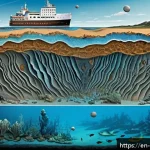
Marine sediments are the accumulation of particulate matter on the seafloor, including mineral grains, organic matter, and biogenic materials. The chemistry of marine sediments provides valuable insights into past environmental conditions and biogeochemical processes.
Sediments act as a sink for various elements and compounds, influencing their cycling in the ocean.
Composition and Formation of Sediments
Marine sediments can be classified based on their origin, such as terrigenous sediments (derived from land), biogenous sediments (derived from marine organisms), and authigenic sediments (formed in situ).
The composition of sediments varies depending on factors like proximity to land, water depth, and biological productivity. For instance, deep-sea sediments often contain a high proportion of biogenic materials, such as the shells of planktonic organisms.
Sediments as Archives of the Past
Marine sediments serve as valuable archives of past environmental conditions. By analyzing the chemical composition and isotopic signatures of sediments, scientists can reconstruct past climates, ocean circulation patterns, and pollution levels.
Sediment cores, which are vertical sections of the seafloor, provide a chronological record of environmental changes over time. I recently visited a research lab where they were analyzing sediment cores from the Arctic, and it was fascinating to see how they could piece together the history of climate change from these samples.
Marine Chemistry in Industry and Technology
Marine chemistry plays a vital role in various industries and technological applications. From fisheries and aquaculture to pharmaceuticals and materials science, understanding the chemical processes in the ocean can lead to sustainable practices and innovative solutions.
Fisheries and Aquaculture
Marine chemistry is essential for managing fisheries and aquaculture operations. Understanding the nutrient dynamics, water quality, and pollution levels in coastal waters can help optimize fish farming practices and ensure the sustainability of fisheries.
For instance, monitoring the levels of harmful algal blooms and toxins in shellfish can prevent food poisoning and protect public health.
Pharmaceuticals and Biotechnology
The ocean is a rich source of novel chemical compounds with potential pharmaceutical and biotechnological applications. Marine organisms, such as sponges, corals, and algae, produce a wide range of bioactive compounds with anti-cancer, anti-inflammatory, and anti-viral properties.
Marine biotechnology is a rapidly growing field that aims to harness these compounds for drug discovery and development. I remember reading about a new drug derived from a marine sponge that showed promising results in treating certain types of cancer.
The ocean truly holds incredible potential for medical advancements. Here is a table summarizing key concepts in marine chemistry:
| Concept | Description | Importance |
|---|---|---|
| Seawater Composition | The mixture of dissolved salts, gases, and organic matter in seawater. | Understanding the chemical environment for marine life. |
| Nutrient Cycling | The movement and transformation of essential nutrients in the ocean. | Supporting primary productivity and marine food webs. |
| Ocean Acidification | The decrease in ocean pH due to the absorption of excess CO2. | Threatening calcifying organisms and marine ecosystems. |
| Marine Pollution | The introduction of harmful substances into the ocean. | Causing toxicity, habitat degradation, and ecosystem disruption. |
| Marine Sediments | The accumulation of particulate matter on the seafloor. | Providing insights into past environmental conditions. |
| Redox Reactions | Transfer of electrons between chemical species | Influencing speciation of metals and supporting microbial communities |
Wrapping Up
Marine chemistry is a fascinating field that helps us understand the intricate chemical processes occurring in the ocean. From the composition of seawater to the impacts of pollution, marine chemistry provides valuable insights into the health and functioning of marine ecosystems.
By studying these processes, we can work towards protecting our oceans and ensuring their sustainability for future generations. It’s a complex but vital area of study, and I hope this post has sparked your interest in learning more about it!
Cool Facts to Keep in Your Back Pocket
Here are a few interesting facts related to marine chemistry that you might find useful:
1. The deepest part of the ocean, the Mariana Trench, is so deep that the pressure there is more than 1,000 times the standard atmospheric pressure at sea level. The chemistry in such extreme conditions is truly unique.
2. Some marine bacteria can survive on methane and other hydrocarbons, playing a crucial role in the ocean’s carbon cycle. These microbes are like the vacuum cleaners of the sea, gobbling up potential pollutants.
3. The “dead zones” in the ocean are areas where oxygen levels are so low that most marine life cannot survive. These zones are often caused by nutrient pollution from agricultural runoff.
4. Bioluminescence, the production of light by living organisms, is a common phenomenon in the ocean. Many marine creatures, from jellyfish to deep-sea fish, use bioluminescence for communication, hunting, and defense.
5. Marine sediments can contain valuable mineral resources, such as manganese nodules and polymetallic sulfides. These resources are being explored for potential mining, but their extraction raises environmental concerns.
Key Takeaways
Here’s a quick recap of the main points we covered:Marine chemistry is the study of the chemical processes in the ocean, including seawater composition, chemical reactions, and the impacts of pollution.
Seawater is a complex mixture of dissolved salts, gases, and organic matter, with salinity being a key property. The ocean is a giant laboratory where countless chemical reactions occur, driving nutrient cycling and other essential processes.
Ocean acidification, caused by the absorption of excess carbon dioxide, poses a major threat to marine organisms and ecosystems. Marine pollution, from chemicals to plastics, can have devastating effects on marine life and human health.
Marine sediments provide valuable insights into past environmental conditions and biogeochemical processes. Marine chemistry is essential for various industries, including fisheries, aquaculture, pharmaceuticals, and biotechnology, promoting sustainable practices and innovative solutions.
Frequently Asked Questions (FAQ) 📖
Q: What exactly is Marine Chemistry, and why should it matter to the average person like me?
A: I’ve often heard people wonder if marine chemistry is just for scientists in labs, but let me tell you, it’s so much more! From my own dives into the subject, I’ve come to realize that marine chemistry is essentially the study of all the chemical stuff happening in our oceans – the salt, the gases, the nutrients, even pollutants.
It’s about understanding why the ocean is salty, how marine life gets its food, and how human activities are literally changing the ocean’s chemistry.
Think about it this way: every breath of air we take, every fish we eat, every coastal community enjoying the beach – it’s all deeply connected to the health of our oceans, and that health is governed by marine chemistry.
When we talk about ocean acidification, for instance, that’s marine chemistry in action, showing us how excess carbon dioxide in the atmosphere is dissolving into the ocean and making it more acidic.
This impacts everything from tiny shell-forming organisms to massive coral reefs, which in turn affects fisheries and even tourism. So, yes, it absolutely matters to you because a healthy ocean, chemically speaking, means a healthier planet and a more stable future for all of us.
It’s truly eye-opening once you start connecting the dots!
Q: Beyond environmental concerns, how does marine chemistry directly influence our everyday lives or various industries?
A: That’s a fantastic question, and one I love to answer because it really highlights the practical, often unseen, impact of this field! When I first started exploring marine chemistry, I was surprised to learn just how interwoven it is with so many aspects of our daily existence and major industries.
Take the food on your plate, for example. If you enjoy seafood, marine chemistry is absolutely vital. It helps us understand nutrient cycles in the ocean, which directly impacts fish populations and sustainable fishing practices.
For aquaculture – that’s fish farming – chemists are constantly working to ensure optimal water quality and feed formulations, which is essentially applied marine chemistry, to grow healthy seafood.
Then there’s the pharmaceutical industry; the ocean is a massive untapped resource for new medicines. Marine chemists are at the forefront, discovering unique compounds from marine organisms that could lead to breakthroughs for diseases like cancer or Alzheimer’s.
I’ve even seen how marine chemistry plays a role in developing new materials, from biodegradable plastics to corrosion-resistant coatings for ships, drawing inspiration from marine organisms.
It’s truly incredible how many innovations stem from this deep understanding of the ocean’s chemical blueprint. It just goes to show that the ocean isn’t just vast; it’s a treasure trove of solutions!
Q: What kind of career opportunities are there in Marine Chemistry, and is it a growing field?
A: This is a question close to my heart because I’m always thrilled to see people considering a path into marine science! From what I’ve observed and the people I’ve talked to in the field, marine chemistry is definitely a dynamic and evolving area with a surprising array of career paths.
It’s not just about wearing a lab coat and staring at beakers (though that’s certainly part of it!). You could find yourself as an oceanographer, researching climate change impacts and ocean acidification, which is incredibly important right now.
Many marine chemists work in environmental consulting, advising governments or companies on pollution control, oil spill remediation, or coastal management.
Then there’s the biotechnology sector, where you might be involved in discovering new marine-derived drugs or sustainable biofuels. I’ve also met folks in the aquaculture industry, optimizing water chemistry for healthier fish farms, or even in forensic science, tracing the origins of marine pollution.
With the increasing global focus on climate change, ocean health, and sustainable resource management, the demand for skilled marine chemists, who can understand and solve these complex problems, is definitely on an upward trend.
If you have a passion for both chemistry and the ocean, it’s a field that offers both intellectual challenge and the chance to make a real difference.
Trust me, it’s a deeply rewarding journey!