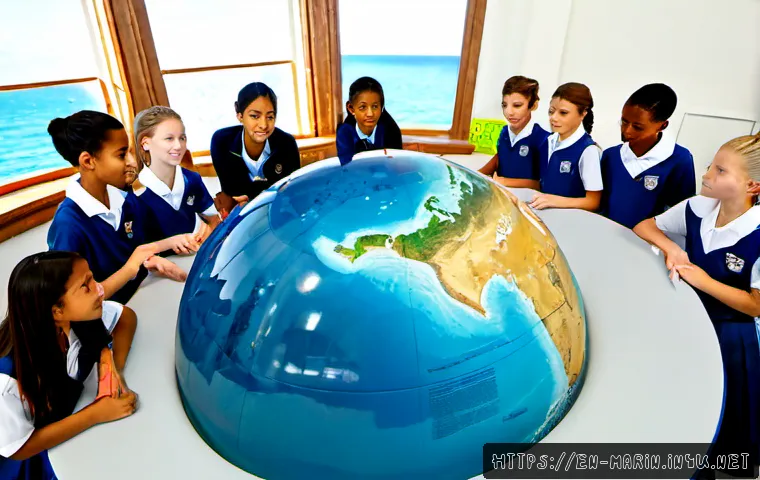
Choose ocean science learning resources based on learner level, curriculum goals, hands-on needs, budget, and source quality. Compare free materials, paid courses, lab kits, maps, and field-learning options before investing.
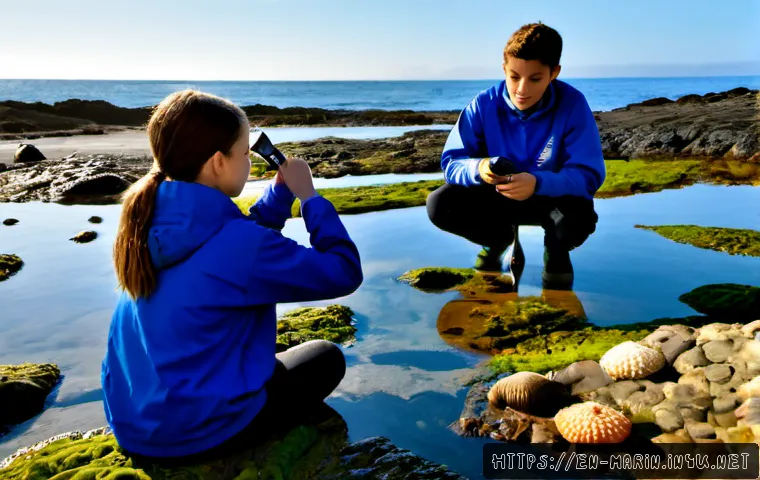
Choose ocean science learning resources by starting with the learner’s level, the teaching goal, and the amount of hands-on work you can realistically support.
Free lessons work well for exploration, while paid curricula, online courses, lab kits, and field guides can be worthwhile when you need structure, feedback, or practical activities.
The best option is not always the most expensive one; it is the one that fits your available time, equipment, and instructional support. Before purchasing a curriculum subscription or educational lab kit, confirm what is included, how current the content is, and whether the materials can be reused.
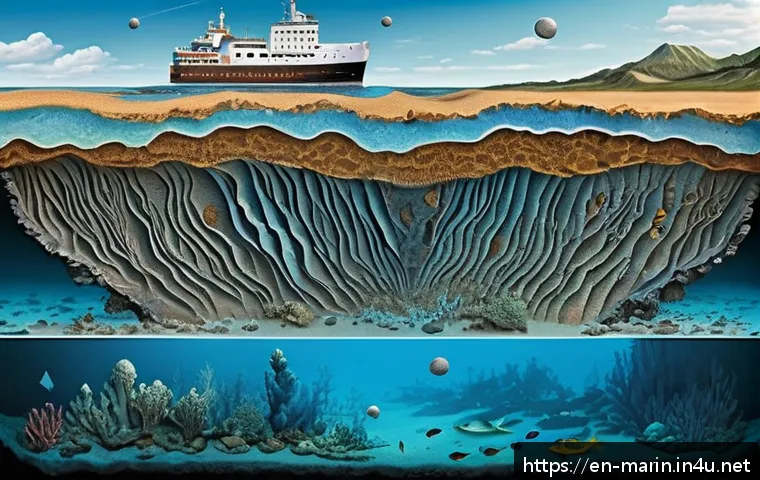
Ocean science covers many subjects, from marine biology and currents to coastal processes, climate, geology, and chemistry. A clear selection process helps classrooms, homeschool settings, and independent learners avoid buying materials that are too advanced, incomplete, or difficult to use.
At a Glance
- Choose free lessons for topic exploration, short units, and supplementary teaching.
- Choose a paid curriculum or online course when structured lessons, assessments, or guided learning are needed.
- Choose lab kits or field guides when observation, experiments, or group projects are central to the learning goal.
| Resource Type | Best Use | What to Check Before Choosing |
|---|---|---|
| Free lessons and videos | Topic introductions and supplemental activities | Source quality, publication date, completeness, and classroom usability |
| Paid curriculum | Planned teaching with lessons and assessments | Teacher preparation time, included materials, reuse rights, and alignment needs |
| Online courses and memberships | Guided independent learning | Subscription terms, learner support, pacing, and accessibility features |
| Educational lab kits | Hands-on investigations and demonstrations | Supply requirements, safety needs, replacement materials, and setup time |
| Maps and field guides | Observation, identification, and local project work | Geographic relevance, update history, field conditions, and permissions |
What Makes an Ocean Science Resource Worth Using?
A useful ocean science resource does more than present facts. It should help learners connect a topic to a clear task: explaining currents, comparing coastal processes, interpreting data, observing organisms, or discussing how ocean systems relate to climate. The strongest choice is one that fits the teaching setting rather than one that simply includes the most content.
Match the Material to the Learner’s Level and Learning Goal
Start with a simple question: What should the learner be able to do after this lesson or unit? A beginner may need clear visuals and basic vocabulary for oceans, ecosystems, and coasts. A more experienced learner may benefit from data analysis, marine biology projects, or a deeper look at physical oceanography and chemistry.
For a classroom, materials with lesson flow and assessments may save planning time. In a homeschool setting, a flexible science curriculum may be more practical because pacing can change. Independent learners often benefit from an online course platform that offers a clear sequence without requiring a full teacher-led schedule.
Do not choose an advanced resource only because it appears comprehensive. If the reading level, equipment needs, or prior knowledge do not fit, the material may create frustration instead of progress.
Prioritize Accuracy, Update History, and Clear Explanations
Ocean science includes topics that can change as research, environmental conditions, and scientific understanding develop. Check whether a resource shows an update date, identifies its source material, and explains ideas clearly enough for the intended learner.
For climate, conservation, and coastal change topics, avoid relying on undated material alone. A polished design does not confirm that information is current. If you are considering a digital curriculum, simulation software, or subscription-based course, review how updates are handled before committing.
Decide Whether Reading, Video, Data Analysis, or Experiments Will Teach Best
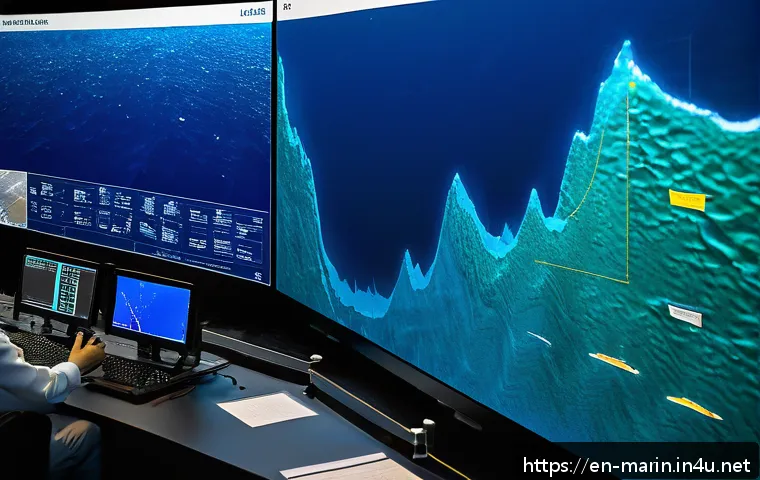
Different formats serve different goals. Reading and diagrams can introduce ocean zones or marine geology. Video can help learners visualize currents, waves, and coastal processes. Maps and datasets can support pattern recognition. Lab activities can make concepts more concrete when a project requires observation or comparison.
Use the format that matches the outcome. If students need to interpret ocean patterns, maps and data may be more useful than a long lecture. If the goal is careful observation, a field guide or simple investigation may be the better choice. Avoid purchasing specialized field equipment before confirming that it will be used regularly.
Compare Free Lessons, Paid Curricula, Courses, and Lab Kits
There is no universal “best” ocean science resource. Free materials can cover a great deal, while paid options may add structure, support, and ready-made activities. The decision comes down to how much planning, guidance, and hands-on work your setting requires.
Free Resources: Best for Topic Exploration and Supplementary Lessons
Free lessons are often a practical starting point for teachers testing a new unit, homeschool educators building a custom plan, or learners exploring a single subject such as marine ecosystems or coastal erosion. They can be useful for readings, videos, printable activities, maps, and introductory explanations.
The tradeoff is that free resources may not form a complete course. You may need to combine several materials, create your own assessments, or verify whether the content is current. Check usage rights before copying, sharing, or adding material to a group program.
Paid Curricula: Best for Structured Teaching Plans and Assessments
A paid ocean science curriculum can make sense when you need a planned sequence of lessons, teacher guidance, student activities, and assessments in one package. This can reduce preparation time for a classroom educator or provide confidence for a homeschool instructor who wants a more organized science program.
Before purchasing, check whether the package includes printed materials, digital access, assessments, supplies, or instructor support. Also consider whether it is intended for one learner, one classroom, or broader program use. Licensing and reuse terms matter, especially for co-ops, clubs, and multi-class settings.
Online Courses and Memberships: Best for Guided Independent Learning
Online learning platforms can be a good fit for independent learners who want a clear path through oceanography, marine biology, climate, or coastal science. Video lessons, guided assignments, and interactive activities may help learners stay focused without requiring a full printed curriculum.
However, a course subscription is only valuable if the learner will use it consistently. Look at pacing, instructor support, completion expectations, and whether the course includes practical work or mainly screen-based learning. Review the official course page for current access terms and included features before enrolling.
Lab Kits and Field Guides: Best for Hands-On Observation and Projects
Educational lab kits can support questions that are difficult to answer through reading alone. They may be useful for investigating water-related concepts, comparing samples, modeling processes, or organizing a group science activity. Field guides can also support observation and identification during coastal or shoreline learning.
Hands-on resources need realistic planning. Check the required supplies, cleanup needs, storage, safety instructions, and whether replacement materials are available. Fieldwork may not be safe or permitted at every location, so do not build an entire unit around a site visit without confirming local conditions and access.
Budget, Equipment, and Value Before You Buy
A smart purchase is not just about the listed cost. It is about whether the resource can be used fully with your available time, tools, and learners. Compare what you will need now with what may be needed later to keep the program running.
Identify One-Time Costs Versus Recurring Subscriptions
Printed curricula, field guides, and some lab materials may involve a one-time purchase. Digital courses, memberships, and some simulation tools may use recurring subscription access. These formats can both be useful, but they should be compared differently.
Ask whether the resource remains available after a course period ends, whether student access is separate from instructor access, and whether updates are included. If you are budgeting for a group, confirm whether access is intended for individual use or multiple learners.
Check What Is Included: Lesson Plans, Assessments, Supplies, and Support
Two resources with similar descriptions may require very different amounts of preparation. One may include lesson plans, worksheets, assessments, and digital materials. Another may provide only a student text or activity guide. A lab kit may contain core materials but still require common supplies or additional equipment.
Make an included-versus-needed list before buying. This prevents a curriculum package from becoming less practical because important materials were not expected. It also helps program coordinators compare options fairly.

Avoid Buying Advanced Equipment Before Confirming Practical Use
Specialized field equipment can be appealing, especially for oceanography and coastal projects. But equipment has value only when it supports a repeated learning activity. Start with the questions, activities, and available supervision. Then determine whether a map, field guide, simple lab activity, or digital simulation could meet the same goal.
For many learners, a well-designed lesson sequence combined with visual resources and observation activities may be more useful than equipment that is used once.
Build a Practical Ocean Science Learning Plan
A practical plan does not need to cover every branch of ocean science at once. It should build understanding gradually and leave room for discussion, review, and hands-on work that fits the setting.
Start With Core Topics Such as Currents, Ecosystems, Coasts, and Climate
Begin with a small set of connected themes. Currents can lead into climate and water movement. Marine ecosystems can connect organisms, habitats, and food relationships. Coastal processes can introduce waves, sediment, landforms, and human interaction with shorelines.
This approach helps learners see ocean science as a connected subject rather than a collection of isolated marine facts. Choose resources that explain those relationships at an appropriate level.
Combine Visual Lessons With Maps, Real Data, and Observation Activities
A balanced learning plan can include a short reading or video, followed by a map, chart, data discussion, drawing activity, or observation task. This gives learners several ways to process the same topic without requiring a full laboratory.
For example, a lesson about coasts can include a visual explanation, map-based discussion, and a simple observation of how water or wind may shape a shoreline model. The exact activity should match the available space, materials, and supervision.
Use Safe Alternatives When Fieldwork or Wet-Lab Access Is Limited
Fieldwork is not required for meaningful ocean science learning. If travel, access, weather, permissions, or safety concerns make a coastal visit impractical, use maps, images, data activities, guided videos, models, or simulation software instead.
These alternatives can still support careful questioning and scientific reasoning. The important point is to be honest about what learners are observing directly and what they are studying through representations.
Common Mistakes When Selecting Marine Learning Materials
Many poor resource choices come from skipping the practical questions. A resource may look engaging but still fail because it does not fit the learners, the schedule, or the available teaching support.
Choosing Content That Is Too Advanced or Too Simplified
Materials that assume too much prior knowledge can overwhelm beginners. Materials that stay too general can leave advanced learners without meaningful challenge. Review a sample lesson, table of contents, or activity description where possible and compare it with the learner’s current understanding.
Relying on Undated Resources for Climate or Conservation Topics
Undated materials can be difficult to evaluate, especially for subjects that benefit from current scientific context. Look for publication or update information and use more than one source when a topic is complex. If a provider does not explain its update process, treat that as a point to investigate rather than an automatic rejection.
Ignoring Teacher Preparation Time, Supply Requirements, and Usage Rights
A resource may be academically suitable but operationally difficult. A teacher may need time to prepare a demonstration. A homeschool educator may need to gather extra supplies. A club coordinator may need permission for multiple participants to access materials.
Check preparation time, supply lists, digital access, and licensing rights before making a commitment. These details often determine whether an ocean science resource is truly usable.
Selection Criteria and Comparison Summary
Choose free lessons when you need flexible topic exploration or a supplement to an existing science curriculum. Choose a paid curriculum when lesson sequence, assessments, and instructor planning tools are important. Choose an online course when guided independent learning and digital access fit the learner’s routine. Choose a kit when hands-on investigation is required and you can support setup, supplies, and safe use. Choose maps or field guides when observation, place-based discussion, or project work is the priority.
Before selecting a course, kit, curriculum, or subscription, check the learner level, time required, included materials, equipment needs, update history, and usage rights. For current terms and detailed inclusions, check the official product or provider page.
Final Thoughts
Ocean science learning works best when the resource supports a clear purpose. A simple lesson may be enough for an introduction, while a structured curriculum or online course may be better for sustained study. Hands-on materials can add real value, but only when they fit the available space, time, and supervision. Start with the learning goal, then choose the format that makes that goal achievable.
Useful Things to Know
Ocean science can include physical oceanography, marine biology, geology, chemistry, climate, and coastal processes. A single resource does not need to cover every area to be useful. Combining a core curriculum with maps, videos, data activities, or a field guide can create a more flexible learning experience. Reusable resources may be especially helpful for classrooms, homeschool groups, and science clubs.
Important Considerations
Product pricing, subscription terms, included features, availability, accessibility options, scientific update practices, and licensing rights vary by provider and should be verified directly. A resource may not meet a specific district, university, examination, or accreditation requirement without separate confirmation. Field activities should be planned only after checking local safety conditions, access rules, and permissions.
Frequently Asked Questions
Q1. What are the best ocean science resources for beginners?
A1. Beginners usually benefit from clear visual lessons, age-appropriate reading, introductory maps, short videos, and simple observation activities. Free lessons can be a good starting point, while a structured beginner curriculum may help when a learner needs a guided sequence.
Q2. Are paid marine science curriculum packages worth the cost for homeschool education?
A2. They can be worthwhile when they provide structure, lesson plans, assessments, and materials that reduce planning time. Compare what is included, whether the pace fits your homeschool routine, and whether any digital access or reusable materials match your needs before purchasing.
Q3. Do students need lab kits or field equipment to learn oceanography effectively?
A3. No. Learners can build a strong foundation through readings, visual lessons, maps, datasets, and guided activities. Lab kits and field equipment are most useful when hands-on investigation is a specific learning goal and the setting can support safe, practical use.