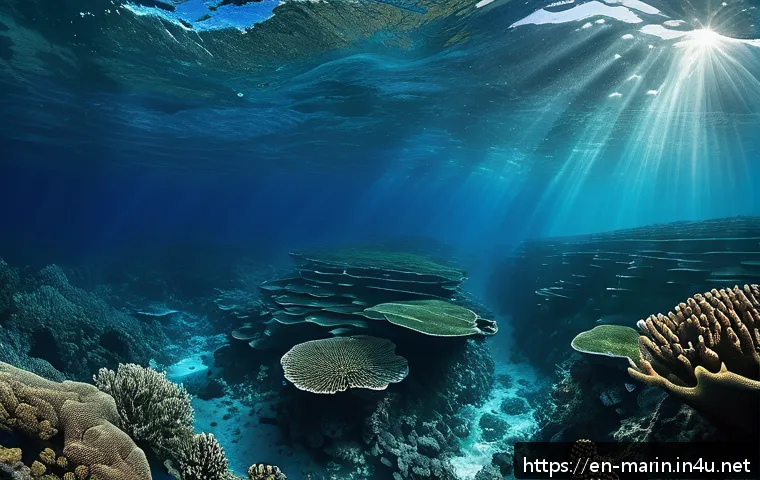
Build an effective ocean science study plan with reliable free resources, textbooks, online courses, datasets, and practical tools. Compare formats by cost, depth, learning goals, and access to hands-on experience.
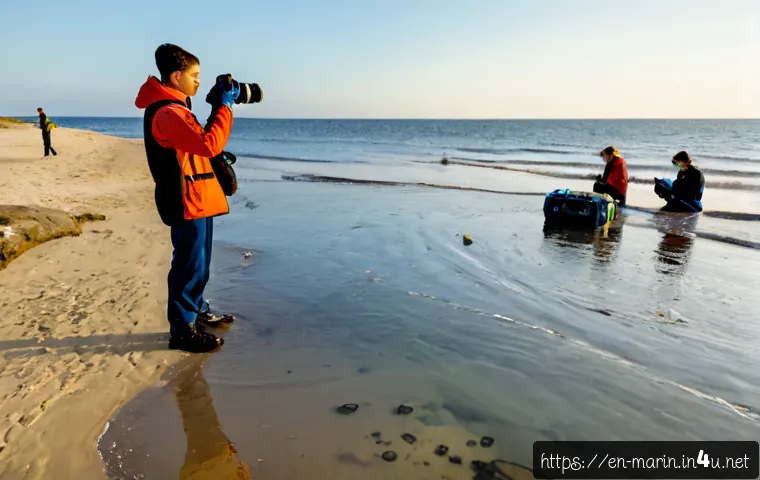
Choose free ocean science materials if you are exploring the subject, a structured online course if you need feedback or a certificate, and field tools only for a clear hands-on project.
The right choice depends more on your learning goal, available time, and access needs than on whether a resource is free or paid. Oceanography brings together physical, chemical, biological, and geological study of the ocean, so a balanced study plan should not rely on one format alone.
Free materials can provide a strong foundation, while textbooks and online courses can add sequence, depth, assignments, and support. Data platforms and mapping tools become more useful once you can ask a specific question.
Before paying for a course, digital textbook, lab kit, or sensor, check what learning outcome it actually supports.
At a Glance
- Explore first: Free materials from public agencies, universities, museums, aquariums, and research institutions can support a reliable introduction.
- Pay for structure: A course or textbook may be worthwhile when you need a planned sequence, assignments, feedback, or a certificate.
- Use tools with purpose: Maps, tide tables, weather information, datasets, and field equipment work best when tied to a defined question and safe access plan.
| Resource Type | Best Use Case | Cost Consideration | What to Check Before Choosing |
|---|---|---|---|
| Free learning libraries | Curiosity, topic exploration, classroom supplements | Usually accessible without a course purchase | Author expertise, publication date, references, and update history |
| Online courses | Structured study, assignments, guided progression | Paid options may include different levels of feedback or certificates | Course outline, instructor access, assessment format, and certificate terms |
| Textbooks and digital textbooks | Coursework preparation and deeper conceptual study | Print and digital access options can vary | Edition date, supporting references, scope, and whether practice material is included |
| Marine datasets and mapping tools | Question-led exercises and early research skills | Access and software requirements vary | Data source, methodology, coverage, and documentation |
| Field tools and lab kits | Defined shoreline, water-quality, or observation projects | May involve equipment, travel, permits, and safety needs | Water conditions, local rules, supervision, and the tool’s fit for the activity |
Start With the Learning Outcome You Need
Quick Answer: Match the Format to Curiosity, Coursework, or Career Preparation
Start by naming the outcome you want. If you want to understand tides, marine ecosystems, seafloor features, or ocean circulation for personal interest, free educational materials and introductory videos may be enough. If you are preparing for school or university coursework, a current oceanography textbook and a structured study schedule can give you more continuity. If you are building practical research skills, combine theory with data interpretation, mapping exercises, and carefully planned field observation.
Popularity is not a selection standard by itself. A short lesson can be excellent for one concept, while a longer online course may be better for connecting several concepts in sequence. Choose the format that closes your current gap rather than buying every resource at once.
The Four Core Areas: Physical, Chemical, Biological, and Geological Ocean Science
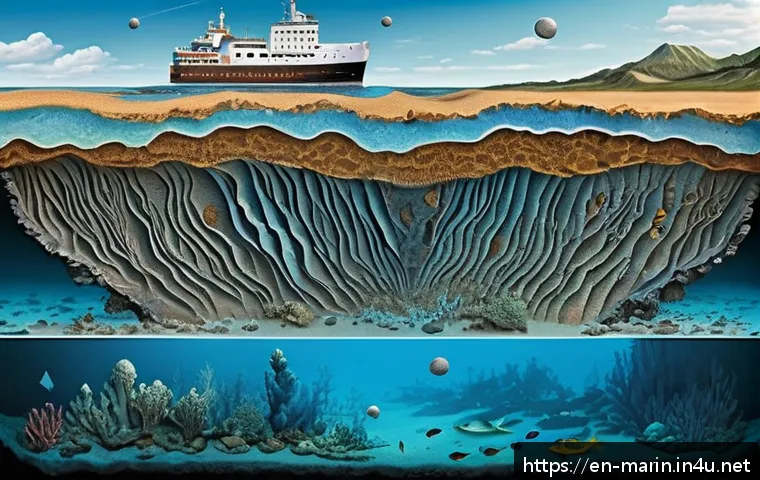
Ocean science commonly combines four connected areas. Physical oceanography considers movement and conditions in the ocean, including topics such as tides and circulation. Chemical oceanography examines the ocean’s chemical properties. Biological oceanography focuses on marine life and ecosystems. Geological oceanography studies the seafloor, sediments, and ocean-related Earth processes.
A useful learning resource should make clear which area it covers and how broadly. An engaging marine-life lesson may not teach bathymetry, while a mapping activity may not explain biological interactions. Build breadth first, then spend more time in the area that fits your goals.
A Simple Study Path for Beginners
Begin with a broad overview of the four areas. Next, use maps, bathymetric data, tide tables, and weather information to connect concepts to real observations. Then choose one question to explore in more depth, such as how coastal conditions change over time or how seafloor shape can be represented on a map. This path keeps learning practical without requiring immediate investment in specialized field equipment.
Compare Free Libraries, Courses, Books, Data Platforms, and Field Tools
What Free Educational Materials Are Best For
Free materials are useful for surveying a topic, checking whether ocean science holds your interest, and finding visuals that clarify difficult ideas. Public agencies, universities, museums, aquariums, and research institutions often publish educational ocean data and learning materials. These sources can also help educators find examples that support a lesson plan.
Free does not mean unreliable, and paid does not automatically mean rigorous. Review who created the material, whether it names its sources, and when it was published or updated. Use free resources as a foundation, then add a textbook or course only when you need more depth or structure.
When a Paid Online Course Provides Better Value
A paid online course can be a sensible choice when independent reading is not giving you a clear path forward. Structured marine science courses may offer planned modules, assignments, feedback, and certificates, although those features differ by provider. The value is not simply in video access; it is in whether the course helps you practice, receive guidance, and complete a sequence you would struggle to organize alone.
Before enrolling, review the syllabus and assessment approach. Check whether the course covers the ocean science area you need, whether instructor access is included, and whether certificate availability matches your intended use. Choose a structured course if you need feedback or a certificate. Official course pages are the best place to confirm current content, access terms, and credential details.
Textbooks Versus Interactive Lessons and Video Lectures
Textbooks are often strongest when you need careful definitions, connected chapters, diagrams, and references to revisit during coursework. A digital textbook may suit learners who want searchable content and flexible reading access. Interactive lessons and video lectures can be more helpful when you need to see a process explained step by step.
These formats work well together. Read a textbook chapter for the framework, then use a video or interactive lesson to reinforce a difficult process. Check the edition or publication date, especially when selecting a textbook for a current class. Older material can still explain fundamental concepts, but its references, data context, or terminology may need additional review.
When Marine Datasets and Mapping Tools Become Useful
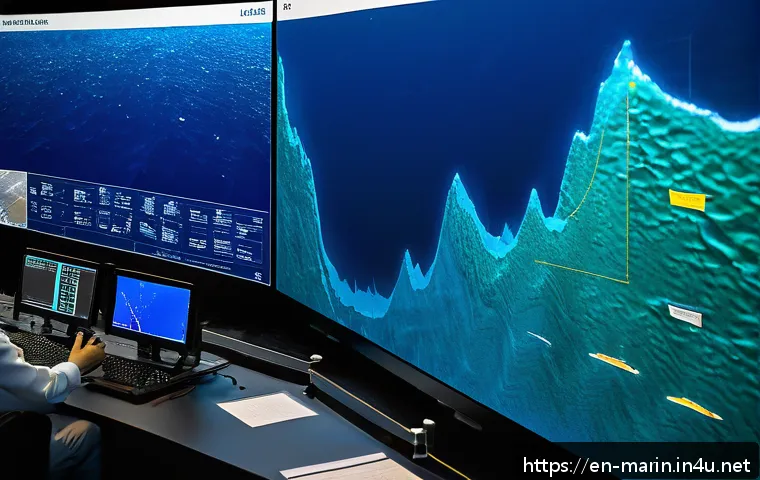
Data platforms become valuable when you can form a question rather than simply browse. You might compare a map with bathymetric data, use tide tables to plan an observation, or examine weather information alongside a coastal exercise. These tools add context because ocean science is often about patterns, conditions, and change across locations or time.
Use data carefully. Look for information about the source, collection method, coverage, and limitations. A dataset without transparent methodology may be difficult to interpret correctly. Mapping tools and marine data resources are learning aids, not shortcuts around understanding the science behind the display.
Cost, Access, Feedback, and Certificate Comparison
Think in terms of cost versus learning value. A free library may have the best value for broad exploration. A paid course can add value when assessment and feedback are essential. A textbook can be a stable reference for coursework. Field tools may be valuable only after you have a project question, suitable conditions, and a safe plan. Avoid paying for overlapping resources before you know which format helps you learn.
Check Whether a Learning Resource Is Reliable
Review Authorship, Publication Date, Evidence, and Update History
A reliable resource should make it reasonably clear who wrote or produced it, what expertise supports the material, and what evidence or references it uses. Look for a visible publication date or update history where available. This does not require every resource to be highly technical, but it should not present unsupported claims as settled science.
Look for Transparent Methods When Using Ocean Data
When working with marine data, check how the information was collected and presented. Ocean observation may involve buoys, satellites, research vessels, remotely operated vehicles, and water-quality sensors. Each method has a different purpose and context. Good data documentation helps you understand what the figures or map layers can show and what they cannot.
Avoid Common Mistakes With Simplified Diagrams and Unsupported Claims
Simplified diagrams can be useful introductions, but they may leave out local conditions, time changes, or uncertainty. Do not treat a single illustration as a complete explanation of an ocean system. Compare it with a current textbook, a documented dataset, or material from an institution that explains its sources and methods.
Build a Practical Study Plan Without Overspending
Low-Cost Route for Curious Independent Learners
Use free educational libraries to cover the main branches of oceanography. Keep a short list of questions, then use maps, tide tables, and weather information to make the topics more concrete. Borrow, access digitally, or selectively purchase a textbook only if you want a more organized reference after your initial exploration.
Coursework-Focused Route for School or University Students
Start with the required course outline, then select a textbook or digital textbook that matches the expected level and topics. Add free learning materials as review support rather than replacing the core course structure. If you consider an online course, check whether its assignments and terminology align with your own coursework before paying.
Skills-Focused Route for Learners Exploring Marine Careers
Build conceptual knowledge first, then practice interpreting documented datasets and maps. A structured online course may help if it provides assignments or feedback that push you beyond passive viewing. Field experience can add useful context, but it should be planned around a specific skill or observation goal rather than treated as a requirement for every learner.
Budgeting for Books, Subscriptions, Software, and Optional Field Activities
Separate essential learning materials from optional purchases. First decide whether you need structure, a long-term reference, data access, or hands-on measurement. Then compare the access conditions for courses, digital textbooks, subscriptions, software, and equipment. Travel, weather limitations, safety requirements, and permits can affect the real cost and feasibility of field activities.
Add Hands-On Experience Safely
At-Home Observations, Coastal Visits, and Virtual Labs
You can practice observation without owning specialized equipment. Study a map, compare tide information with weather conditions, or use a virtual activity to connect concepts with visual evidence. Coastal visits can add context, but local conditions and access rules matter. A virtual lab may be the more practical option when travel or safe shoreline access is limited.
Basic Equipment Considerations for Water-Quality or Shoreline Activities
Field tools should support a defined activity. Water-quality sensors, simple observation tools, and other marine research equipment may be useful when you understand what you plan to measure and how you will record observations. Confirm that the equipment fits the water conditions, safety rules, and local regulations relevant to your activity.
Safety, Weather, Supervision, and Local Access Rules
Safety comes before data collection. Weather conditions can limit fieldwork, and some locations may require permission or have access restrictions. Plan for appropriate supervision when needed, respect local rules, and do not assume a shoreline or water activity is suitable simply because equipment is available for purchase.
Selection Criteria and Comparison Summary
Use these checks before choosing a marine science course, textbook, data tool, or field-learning product:
- Outcome: Does it support exploration, coursework, certification, or practical skill building?
- Credibility: Are the author, references, methodology, and publication or update details clear?
- Learning support: Do you need assignments, feedback, interactive lessons, or a certificate?
- Access: Can you use the material with your location, schedule, device, and available study time?
- Field fit: Does a tool serve a real project while meeting safety and local access requirements?
Choose free resources when flexibility and exploration matter most. Choose paid instruction when structured progression, assessment, or credentials matter. Choose field tools only when they support a defined project and a safe use plan. For any course, textbook, subscription, or equipment purchase, review the official product page for current features and access conditions.
Final Thoughts
An effective ocean science study plan does not need to begin with expensive equipment or a large collection of courses. Start with a clear outcome and credible free materials, then add structure when it solves a real learning problem. Textbooks, online courses, marine datasets, and field tools each serve different purposes. The strongest plan is the one you can use consistently and evaluate critically.
Useful Information to Keep in Mind
1. Ocean science includes physical, chemical, biological, and geological perspectives.
2. Tide tables, weather information, maps, and bathymetric data can support practical exercises.
3. Ocean observations may rely on buoys, satellites, research vessels, remotely operated vehicles, and water-quality sensors.
4. Fieldwork can be valuable, but travel, permits, safety requirements, and weather may limit access.
Important Considerations
Course prices, instructor access, certificate availability, textbook editions, and content can change over time, so confirm details directly before purchasing. The best option depends on your location, budget, academic level, and intended use. Equipment suitability also depends on local conditions, safety rules, and regulations. No single resource format is automatically more accurate or more rigorous than another.
Frequently Asked Questions
Q1. What are the best free resources for learning ocean science from scratch?
A1. Start with educational materials published by public agencies, universities, museums, aquariums, and research institutions. Choose resources that identify authorship, include supporting references where appropriate, and show a publication date or update history. Use several formats, such as introductory reading, maps, and documented data, to build a broader foundation.
Q2. Is a paid marine science course worth the cost for beginners?
A2. It can be worthwhile if you need a structured sequence, assignments, feedback, or a certificate. Beginners who are still deciding whether they enjoy the topic may prefer to explore reliable free materials first. Check the course outline, assessment format, instructor access, and current certificate conditions before enrolling.
Q3. Do I need field equipment to learn oceanography effectively?
A3. No. You can learn core oceanography concepts through credible reading, online lessons, maps, bathymetric data, tide tables, weather information, and documented datasets. Field equipment becomes more useful when you have a specific observation or measurement project and can meet relevant safety, access, and local rule requirements.