Marine robotics can reduce exposure in offshore inspection, seabed mapping, port monitoring, and environmental surveys. Compare ROVs and AUVs by mission, sensor needs, operating costs, support requirements, and deployment risk before choosing a system or service provider.
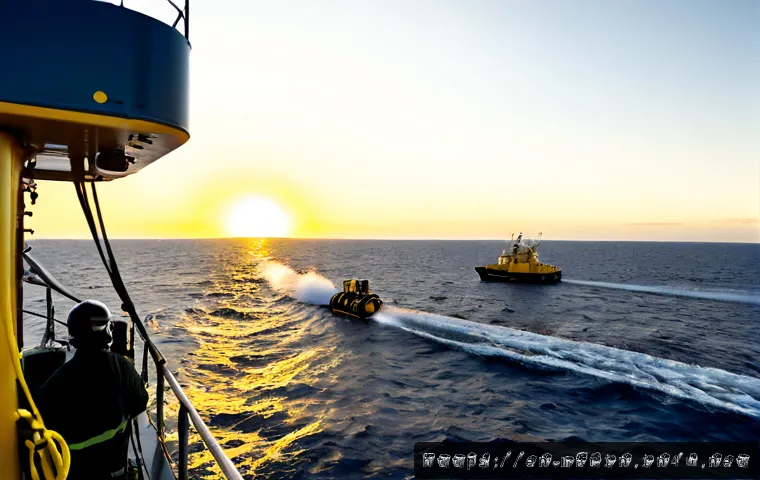
An ROV is usually the better fit when live operator control, close visual inspection, or manipulation is required, while an AUV is often better for planned mapping and data-collection missions over wider areas. A contracted marine robotics provider can be the more economical choice when a team needs specialized equipment, pilots, vessel support, or data processing without building an in-house capability. The right option depends on the mission objective, water conditions, payload needs, and the level of control required during deployment. Equipment price alone is not a reliable comparison point because mobilization, maintenance, training, insurance, and vessel time can materially shape the budget. Before requesting an offshore inspection quote or selecting an underwater drone platform, define the required deliverable and the operational risks that could affect data quality.
At a Glance
- Choose an ROV for live inspection, remote intervention, and tasks where a tethered surface connection is useful.
- Choose an AUV for pre-planned surveys, seabed mapping, and repeatable data collection across larger areas.
- Compare total project cost, including operators, vessel support, sensors, maintenance, and data processing—not only vehicle purchase cost.
| Decision Factor | ROV | AUV | Contracted Marine Robotics Service |
|---|---|---|---|
| Best mission fit | Live inspection, close work, manipulation | Planned survey, mapping, repeatable collection | Projects needing equipment and experienced support |
| Control approach | Live operator control through tether or umbilical | Pre-programmed mission plan with limited remote intervention underwater | Depends on the provider’s selected vehicle and operating plan |
| Payload considerations | Cameras, sonar, manipulators, inspection sensors | Survey sensors, navigation systems, cameras, sonar, water-quality instruments | Payload can be scoped to the required deliverable |
| Main cost drivers | Operators, tether support, maintenance, mobilization, vessel time | Sensor package, navigation needs, recovery planning, data processing | Scope, location, mobilization, vessel support, reporting, contract terms |
What Marine Robotics Can Do—and When It Is Worth the Investment
The Fastest Way to Match a Mission with the Right Vehicle Type
Start with the result the team needs to deliver. If the work requires a pilot to inspect a specific feature in real time, react to changing conditions, or use a manipulator, an ROV inspection platform is often the logical starting point. If the task is to collect repeatable survey data along a planned route, an AUV mapping system may be more suitable.
The key question is not which underwater robot has the most impressive headline specification. It is whether the vehicle, sensor package, navigation method, and recovery plan support the required inspection or survey outcome.
Tasks That Benefit Most from Reducing Diver Exposure or Vessel Time
Marine robotics can support offshore energy operations, ports, subsea infrastructure work, aquaculture, environmental monitoring, research, and defense activities. Common tasks include visual inspection, seabed mapping, cable-route survey work, hull inspection, water-quality sampling, and monitoring of underwater assets.
Robots do not remove every operational requirement. They still need launch and recovery planning, suitable personnel, maintenance, and contingency procedures. However, they can help teams perform certain underwater tasks without placing divers directly into every inspection scenario.
Three-Line Decision Summary: Buy, Lease, or Outsource
- Buy when marine robotics work is recurring and the organization can support training, maintenance, spare parts, and operations.
- Lease when a project needs a specific vehicle class or payload without making a long-term ownership commitment.
- Outsource when the mission needs experienced pilots, specialized sensors, vessel coordination, or processed survey deliverables.
ROV vs. AUV vs. Surface Vehicle: Compare Control, Data, and Operating Cost
Live Inspection and Manipulation Work: Where Tethered ROVs Fit
ROVs are connected to a surface control system through a tether or umbilical. That connection makes them particularly relevant where live operator control matters. A pilot can respond to visibility changes, inspect a target from several angles, and support tasks that require close positioning or manipulation equipment.
For offshore asset inspection or confined-water work, this real-time control can be valuable. The trade-off is that tether management, operator support, surface equipment, and vessel arrangements may become important parts of the deployment plan.
Wide-Area Seabed Mapping and Repeatable Surveys: Where AUVs Fit
AUVs can follow pre-programmed mission plans and are often used for survey, mapping, and data collection. They can be a strong match for work where the route, coverage pattern, sensor configuration, and desired dataset are defined before launch.
Underwater communication is more constrained than above-water wireless communication. For that reason, an AUV project should clearly address navigation, data transfer, recovery, and remote intervention limits. Do not assume survey accuracy, endurance, or depth capability without reviewing manufacturer specifications and project validation information.
Surface-Based Monitoring and Communications Support
Surface vehicles may support monitoring, communications, or other surface-based operating needs. They can also be relevant when the project benefits from a platform operating above water while supporting sensors or marine operations below it. Their practical value depends on the operating environment, communication needs, weather exposure, and the required data product.
Budgeting a Marine Robotics Project Beyond the Equipment Price
Purchase, Lease, and Robotics-as-a-Service Models
An enterprise ROV or AUV platform purchase provides direct access to equipment, but ownership also creates an ongoing support obligation. Leasing may offer flexibility for a project with limited duration or a specialized payload requirement. A marine robotics service contract can package the vehicle, pilots, operational planning, and data processing into a defined scope.
When comparing ownership models, ask whether the organization needs a machine or a completed result. A team that only needs a validated inspection record or seabed survey deliverable may find that outsourced support is easier to manage than developing a full internal operating capability.
Costs Often Missed in Initial Procurement Planning
Total cost can include mobilization, pilots, training, maintenance, insurance, data processing, spare parts, and vessel support. These items can materially affect the real cost of an offshore inspection program. They should be separated in a proposal rather than buried under a single equipment line item.
How Sensor Payloads, Depth Ratings, and Mobilization Affect Quotes
A camera-only mission is not the same as a project that requires sonar, navigation systems, water-quality instruments, specialized inspection sensors, or manipulators. Vehicle class, payload compatibility, depth rating, operating location, and mobilization needs can all change the scope of a marine survey quote.
Request vendors to identify what is included: vehicle, payload, personnel, launch and recovery equipment, data handling, reporting, maintenance responsibility, and vessel coordination. Exact purchase prices, service-day quotes, and leasing terms require direct vendor confirmation.
When Outsourcing Can Be Lower Risk Than Building an In-House Team
Outsourcing may reduce operational burden where work is infrequent, highly specialized, or location-specific. A provider may already have trained personnel, spare parts, maintenance procedures, and a suitable sensor package. This does not automatically make outsourcing the lowest-cost option, but it can reduce the risk of underestimating deployment complexity.
Deployment Planning: Safety, Data Quality, and Common Failure Points
Define Inspection Objectives Before Selecting Cameras or Sonar
Define what must be observed, measured, mapped, or sampled before choosing a payload. A clear objective helps determine whether cameras, sonar, navigation systems, water-quality instruments, or specialized inspection sensors are needed. It also gives vendors a basis for proposing an appropriate platform instead of offering a generic underwater drone package.

Account for Currents, Visibility, Seabed Conditions, and Weather Windows
Saltwater exposure, pressure, currents, visibility, biofouling, and weather can affect mission reliability. Conditions may influence vehicle handling, image quality, sensor performance, launch and recovery, and maintenance needs. A practical plan includes operating limits and an alternative procedure if conditions do not support the intended work.
Plan for Navigation, Communications, Recovery, and Contingency Procedures
Underwater operations need a clear approach to positioning, communication, data retention, recovery, and intervention. This is particularly important for autonomous missions, where remote communication constraints should be considered before deployment. Teams should also establish what happens if the vehicle cannot complete the planned mission or needs recovery under changed conditions.
Avoid Underestimating Maintenance, Corrosion Protection, and Spare Parts
Saltwater operations place continuous demands on equipment. Maintenance planning should cover corrosion protection, cleaning, inspection, biofouling management, and access to spare parts. A lower initial equipment cost may not represent lower lifecycle cost if support availability is weak.
Choosing a System for Different Marine Operations
Offshore Asset and Subsea Infrastructure Inspection
For close visual inspection and work requiring immediate pilot response, an ROV is often a practical option. Confirm sensor compatibility, tether management needs, depth rating, and the support required for the operating area.
Port, Harbor, and Hull Inspection
Confined-water operations may place more value on control, maneuverability, and visibility management. The inspection plan should account for currents, traffic, local requirements, and safe launch and recovery arrangements.
Environmental Monitoring and Water-Quality Sampling
Marine robots can carry water-quality instruments and other monitoring payloads. The system choice should follow the sampling plan, desired data record, operating conditions, and validation requirements rather than a general-purpose platform label.
Seabed Mapping, Cable-Route Surveys, and Scientific Research
AUVs are frequently considered for planned mapping and survey work because they can follow pre-programmed missions. Review navigation capability, sensor integration, recovery procedures, and the data-processing workflow before assuming a platform meets the required survey standard.
Aquaculture and Recurring Coastal Monitoring
Recurring monitoring may support a stronger ownership case when the same tasks and conditions repeat. Still, service coverage, maintenance access, staff training, and local operating requirements should be evaluated before purchasing a fleet or fleet management software.
Selection Criteria and Comparison Summary
Use this checklist before requesting ROV, AUV, or marine robotics service proposals:
- Mission output: Define the inspection record, map, sample, or monitoring dataset required.
- Operating conditions: State expected depth, currents, visibility, weather exposure, and seabed conditions.
- Payload and data: Specify cameras, sonar, navigation, manipulators, or water-quality instruments needed.
- Support model: Compare ownership, lease, and service-contract options including pilots, maintenance, and spare parts.
- Deployment plan: Ask who provides mobilization, vessel coordination, recovery support, and data processing.
- Validation: Request manufacturer specifications and project-relevant validation data rather than relying on headline claims.
When comparing offshore inspection quotes, use the provider’s official proposal pages and technical documentation to verify included services, support terms, payload compatibility, and operating limitations.
Conclusion
The better marine robotics choice is the one that matches the mission’s control needs, coverage area, data requirements, and operating risk. ROVs are generally suited to live, tethered intervention, while AUVs are often suited to planned survey and mapping missions. A service provider can be a practical route when equipment, personnel, and offshore logistics need to be delivered together. Compare lifecycle support and deployment readiness before making a decision based on purchase cost alone.
Useful Information to Keep in Mind
First: request separate line items for equipment, personnel, mobilization, vessel support, and data processing. Second: confirm whether the proposed payload is compatible with the vehicle. Third: evaluate spare-parts access and maintenance support in the intended operating region. Fourth: treat navigation and recovery planning as core parts of the mission, not afterthoughts.
Important Considerations
Vehicle capability, survey accuracy, endurance, depth rating, inspection quality, pricing, and contract terms vary by system and project scope. Regulatory, permitting, insurance, crew, and operational requirements can differ by jurisdiction and mission type. Review manufacturer documentation, provider scope, and applicable local requirements before procurement or deployment.
Frequently Asked Questions
Q1. Is an ROV or AUV better for offshore inspection work?
A1. It depends on the inspection task. An ROV is often more suitable when live control, close observation, or manipulation is important. An AUV may be a better fit for a planned survey or mapping mission where repeatable coverage and data collection are the main goals.
Q2. What should a company include when comparing marine robotics service quotes?
A2. Include the mission objective, location, expected conditions, required payloads, desired deliverables, mobilization needs, vessel support, personnel, data processing, maintenance responsibility, recovery planning, and contract scope. Ask providers to identify exclusions and operational assumptions clearly.
Q3. Is it more cost-effective to buy an underwater robot or hire an offshore inspection provider?
A3. There is no universal answer. Buying may suit recurring work where the organization can support operations, maintenance, training, and spare parts. Hiring a provider may be more practical for specialized, infrequent, or logistically complex missions. Compare total project cost and operational responsibility, not only the vehicle price.